
California IID Mandate Extended Through 2033 Under AB 366
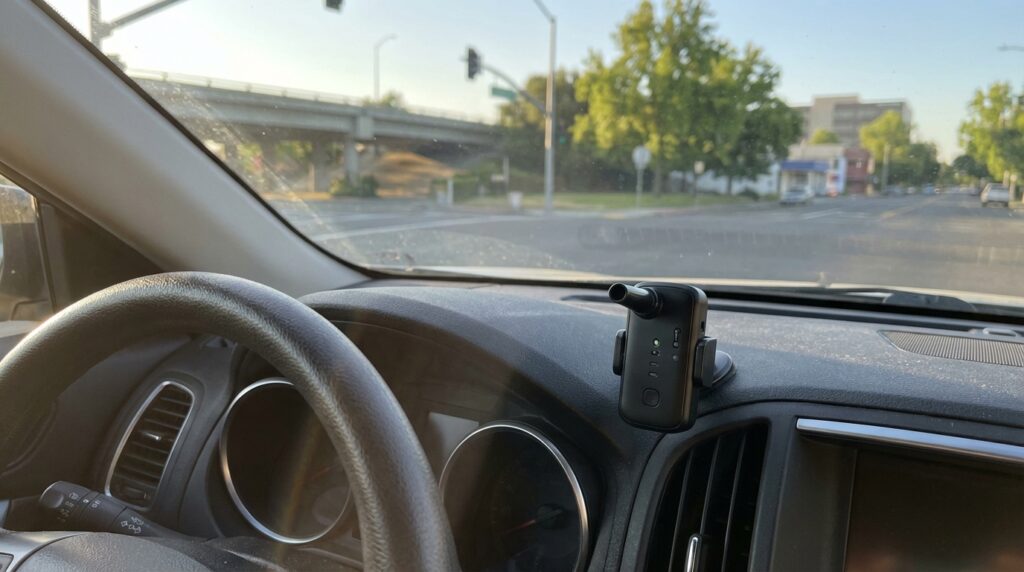
A January 1, 2026 change in California DUI law quietly made ignition interlock rules more important, not less. AB 366 extended California’s statewide ignition interlock device (IID) framework through January 1, 2033. For people in Sacramento, CA facing DUI charges, an IID issue is no longer just a licensing inconvenience, it can affect plea strategy, […]
What Is the Two-Year Deadline for Car Accident Claims in CA?

If you were seriously injured in a car accident in Sacramento, California law gives you a limited window to take legal action. Under California Code of Civil Procedure Section 312 et seq., the statute of limitations for personal injury claims is two years from the date of injury. Missing this deadline can mean losing your […]
What Happens After a DUI Arrest in Sacramento, CA?
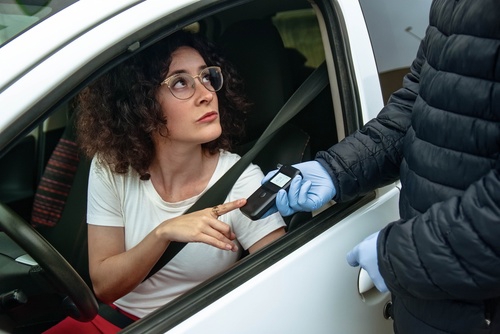
A DUI arrest in Sacramento can feel overwhelming, but understanding the process gives you the power to protect your rights from the very first moment. When charged with DUI in California, the arresting officer typically confiscates your driver’s license and issues a 30-day temporary license for standard adult DUI arrests. Two separate legal tracks begin […]
What Should Cyclists Know After a Car Crash in Sacramento?

If you were hit by a driver while cycling in Sacramento, the decisions you make immediately after can shape your entire injury claim. Sacramento’s busy corridors like J Street, Folsom Boulevard, and the American River Parkway see regular bicycle-vehicle collisions, and seriously injured cyclists often face aggressive insurance tactics designed to minimize payouts. Understanding your […]
What Types of Injuries Qualify for a Car Accident Claim in CA?

If you were hurt in a car accident in Sacramento, you may wonder whether your injuries are serious enough to pursue a legal claim. The answer depends on the nature of your injuries, documentation, and whether you can prove another driver’s negligence caused the collision. California law allows injured victims to recover both economic and […]
What Is the Deadline to File a Car Accident Lawsuit in CA?
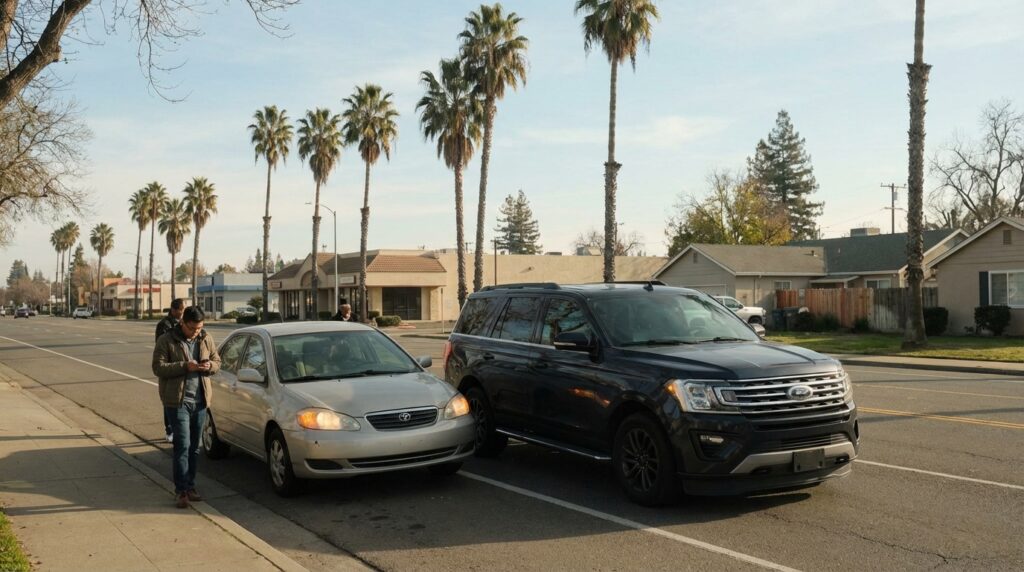
If you were injured in a car accident in Sacramento, understanding how long you have to file a lawsuit is critical. In California, the statute of limitations for personal injury claims is generally two years from the date of injury. For property damage to your vehicle, you typically have three years. Missing these deadlines can […]
What Is the SR-1 DMV Form After a Sacramento Car Accident?

If you have been involved in a car accident in Sacramento, California law may require you to file a document called the SR-1 with the Department of Motor Vehicles. The SR-1, officially titled “Report of Traffic Accident Occurring in California,” is a form that drivers must submit to the DMV after a collision that causes […]
Can Sacramento Pedestrians File Injury Claims After Hit-and-Runs?
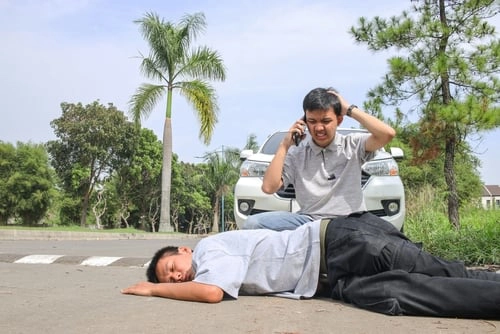
Can Sacramento Pedestrians File Injury Claims After Hit-and-Runs? Yes, Sacramento pedestrians injured in hit-and-run accidents can generally file injury claims to pursue compensation, even when the at-fault driver flees. California law provides multiple avenues for recovery, whether the driver is eventually identified or remains unknown. The process involves navigating insurance coverage, understanding filing deadlines, and […]
What Is Pure Comparative Negligence in a California Car Crash?

What Is Pure Comparative Negligence in a California Car Crash? If you were partially at fault in a California car accident, you may still have the right to recover compensation for your injuries. Under the state’s pure comparative negligence rule, your damages are reduced by your percentage of fault, not eliminated entirely. For drivers, passengers, […]
What Is California’s Pure Comparative Fault Rule in Sacramento Injury Cases?

What Is California’s Pure Comparative Fault Rule in Sacramento Injury Cases? If you were injured in an accident in Sacramento and worry you may share some blame, California’s pure comparative fault rule could still allow you to recover compensation. Unlike states that bar recovery once a plaintiff reaches a certain percentage of fault, California follows […]