
California’s New Driverless Car Law Arrives: What to Do After a Car Accident in California Involving an Autonomous Vehicle
Key Takeaways: New driverless car rules took effect in California on July 1, 2026, reshaping how autonomous vehicle crashes are documented and litigated. AB 1777 requires driverless AV manufacturers to run a 24/7 emergency response line and equip vehicles with two-way voice devices reachable by first responders. Peace officers can now issue notices of noncompliance to manufacturers when an AV violates traffic law with its autonomous technology engaged. For injured drivers, passengers, cyclists, and pedestrians in the Placerville area, these duties can become powerful evidence of negligence. Knowing what to do after a car accident in California involving a self-driving car may protect your right to recover. The Law Offices of Dale R. Gomes stands ready to fight for injured people.
Autonomous vehicles are no longer a distant concept on El Dorado County roads, and California just changed the rules that govern them. As of July 1, 2026, a new framework imposes concrete safety and reporting duties on companies operating fully driverless cars. For anyone hurt in a collision near Highway 50 or Placerville’s historic corridors, these changes create fresh avenues to document fault and hold manufacturers accountable.
This development is not theoretical for Sacramento Valley residents. Robotaxi fleets and driverless delivery vehicles are expanding statewide, and the legal duties attached to them directly affect how crash claims are investigated. Understanding the new landscape is the first step toward protecting your health, finances, and legal options.
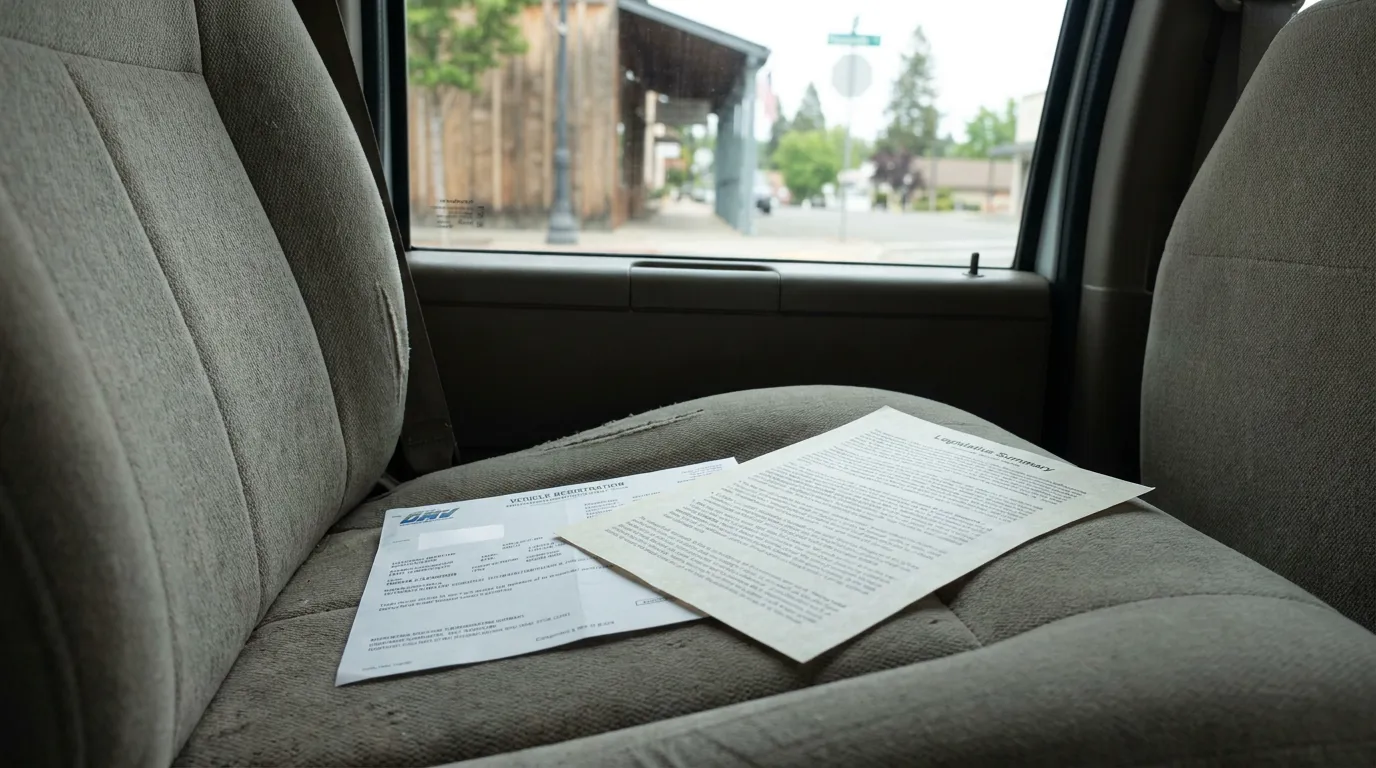
The Legal Backbone: How AB 1777 California Reshaped Driverless Duties
AB 1777 is the foundational California law imposing new requirements on automated-driving-system vehicles. Enacted in 2024, it established obligations covering emergency response interactions, enhanced incident reporting, notices of noncompliance, and geofencing, with the DMV implementing many provisions. You can review the legislative history through the CalMatters Digital Democracy bill tracker.
The statute defines what counts as an "autonomous vehicle." Under California Vehicle Code section 38750, an autonomous vehicle meets SAE Level 3, 4, or 5, and excludes cars equipped only with driver-assistance features such as automatic emergency braking or lane-keep assist. This distinction determines whether special AV rules and liability theories apply to a particular crash.
The law also defines responsible parties. An "operator" is the person in the driver’s seat or, if none, whoever causes the autonomous technology to engage, while a "manufacturer" originally builds and equips the vehicle with autonomous technology or later installs it. Identifying these parties is central to self-driving car liability and naming correct defendants in negligence cases.
The First Responder Rule and the 30-Second Standard
AB 1777 creates the autonomous vehicle first responder rule. Vehicle Code section 38751 requires manufacturers running driverless vehicles under a DMV testing or deployment permit to maintain a dedicated, no-cost emergency response phone line staffed around the clock whenever an AV is on public roads. Calls must be picked up within 30 seconds by a remote human operator who has situational awareness and can immobilize or move the vehicle.
These provisions became operative July 1, 2026. Section 38751 expressly states this operative date, meaning crashes involving fully driverless vehicles on or after that date are governed by these new duties. A manufacturer’s failure to meet response duties could serve as evidence of negligence following a collision.
Each driverless vehicle must carry a two-way voice communication device. This lets first responders reach a remote operator within 30 seconds, and vehicles with in-vehicle override must give law enforcement and firefighters access along with manufacturer-provided training. Documentation of these systems, or gaps in them, can be central to proving negligence in AV crashes.
A Placerville Scenario: When the Driver’s Seat Is Empty
Imagine a Placerville resident stopped at a light on Broadway when a driverless robotaxi rolls through and strikes her vehicle. There is no human driver to exchange information with, and the other "party" is a fleet operated by a distant corporation. In that disorienting moment, the injured driver may feel powerless, unsure who to call or how to preserve proof.
This is where the new duties shift the balance. Because manufacturers must maintain an emergency line and equip vehicles with reachable two-way devices, first responders arriving on scene have defined tools to communicate with remote operators. The timing of those interactions, vehicle onboard data, and the manufacturer’s compliance record can all become part of a driverless vehicle crash claim.
Vehicle data often tells the story the absent driver cannot. Onboard systems may capture speed, braking, and sensor inputs before impact. To understand how recorded data can support your case, learn whether a vehicle black box can prove fault after a serious crash.
What to Do After a Car Accident in California With a Self-Driving Car
Knowing what to do after a car accident in California involving an autonomous vehicle can preserve evidence that disappears quickly. The steps largely mirror any serious collision, but the driverless element adds unique documentation opportunities.
- Prioritize safety and medical care. Call 911, report injuries, and seek prompt medical evaluation even if symptoms feel minor.
- Document the scene thoroughly. Photograph the vehicle, identifying fleet markings, license plates, and surrounding roadway.
- Note first-responder interactions. Record who spoke with the remote operator and when, since the 30-second response standard may become relevant.
- Preserve official records. Request the police report and any notice of AV noncompliance issued at the scene.
- Consult counsel early. An experienced attorney can move to preserve onboard data before it is overwritten.
These steps matter because AV cases involve corporate defendants with substantial resources. Insurers and manufacturers often have teams working to limit exposure from the moment crashes occur. Injured people who act quickly and document carefully are generally in stronger positions to prove damages.
Proving Negligence in an AV Crash: New Levers for Injured People
Proving negligence in an AV crash still turns on duty, breach, causation, and damages. What changes under 2026 California driving laws is the source of those duties. When a manufacturer must answer an emergency call within 30 seconds or direct its fleet to respond to emergency geofencing messages, failure to do so can help establish breach.
Emergency geofencing adds another concrete, time-stamped duty. Under section 38751, an emergency geofencing message directs an AV to leave or avoid an area during an emergency, and within two minutes of receiving one, manufacturers must direct their fleets to comply. Breach of that two-minute window could support a negligence theory in emergency-scene collisions.
Police citation authority strengthens the evidentiary picture. As reported in coverage of California’s robotaxi enforcement crackdown, peace officers may now issue notices of noncompliance to AV manufacturers when they observe AVs violating the Vehicle Code or local traffic ordinances while autonomous technology is engaged. Such notices may become relevant documentation in civil claims, though liability depends on specific facts.
Trial-Tested Advocacy Against Corporate Defendants
Facing an autonomous vehicle manufacturer often means facing well-funded legal defenses. These companies rarely concede fault, and their insurers negotiate aggressively. That reality calls for lawyers willing to prepare every case for trial.
Dale Gomes brings extensive courtroom experience to serious injury cases across the Sacramento region. With a background reflecting more than 100 jury trials, the firm approaches insurance companies from a position of genuine litigation strength. Beyond Placerville, the firm serves injured clients in El Dorado Hills and Folsom, drawing on deep local knowledge of Sacramento Valley roadways and Sacramento Superior Court.
Choosing a trial-ready advocate can influence how seriously the other side treats your claim. When manufacturers know your attorney is prepared to present onboard data and statutory breaches to a jury, the calculus often changes. Working with a seasoned what to do after a car accident in California lawyer may help level the field against corporate resources.
How Does This Impact Me?
What Does AB 1777 Mean for My Crash Claim?
AB 1777 generally applies when a fully driverless vehicle with no human operator physically present is involved. Its duties, including emergency line and geofencing rules, can supply additional evidence of a manufacturer’s breach. Whether those duties apply depends on the vehicle’s classification and incident facts.
Does This Change My Deadline to File?
AB 1777 does not change California’s general civil filing deadlines. Personal injury claims are typically subject to a two-year statute of limitations, though courts interpret exceptions such as delayed discovery narrowly, and government claim deadlines can be far shorter. Confirm your specific deadline with counsel promptly.
What Evidence Should I Preserve After an AV Collision?
Preserve everything documenting the vehicle, scene, and response. Photographs, the police report, any noncompliance notice, and witness contact information all matter. Onboard vehicle data is especially valuable, and prompt legal action may secure it before loss.
Who Can Be Held Responsible in a Driverless Car Case?
Responsibility may extend to the manufacturer, fleet operator, or others depending on circumstances. The statute’s definitions of "operator" and "manufacturer" help identify potential defendants. An individualized review is generally necessary.
Should I Talk to the Manufacturer’s Insurer First?
It is prudent to speak with your own attorney before giving recorded statements to any insurer. Adjusters for AV manufacturers work to limit payouts, and early statements can be used against you. Consulting counsel first helps protect your interests.
The Road Ahead for Injured Placerville Residents
California’s July 2026 rules mark a turning point in how driverless car crashes are handled. By imposing measurable emergency, communication, and geofencing duties on manufacturers, AB 1777 gives injured people new tools to document fault and pursue fair compensation. Outcomes depend on specific facts, vehicle classification, and evidence preservation timeliness.
For anyone hurt by an autonomous vehicle in the Sacramento Valley, informed and prompt action is the strongest safeguard. The law is evolving, corporate defendants are formidable, and California’s filing deadlines can be unforgiving. Understanding your rights today may make all the difference tomorrow.
If a driverless or conventional collision has upended your life, help is available. The Law Offices of Dale R. Gomes offers trial-tested advocacy for seriously injured people across Placerville and the greater Sacramento region. Because California’s statute of limitations can bar late claims, do not wait to act. Call 530-497-5921 or contact us today to discuss how these new laws may affect your case.