
How Vehicle Black Box Data Can Prove Fault After a Sacramento Car Accident
Key Takeaways: Most modern vehicles contain event data recorders (EDRs) capturing critical pre-crash information like speed, braking, and steering inputs. California Vehicle Code § 9951 governs data access. Police reports in property-damage accidents often lack fault determinations, making EDR data powerful objective evidence. California’s pure comparative negligence system makes precise fault allocation essential to maximizing recovery. An experienced car accident lawyer in Sacramento can preserve and obtain black box data before it’s lost.
After a serious crash on Highway 50, I-80, or any busy Sacramento roadway, proving who caused the collision is often the single most important factor in your personal injury case. Event data recorders capture objective, second-by-second vehicle data that can confirm or contradict driver and witness accounts. For victims dealing with significant injuries, mounting medical bills, and aggressive insurance adjusters, this technology can make the difference between fair recovery and a denied claim.
If you were seriously injured in a crash and need help preserving critical evidence, The Law Offices of Dale R. Gomes is ready to fight for you. Call 916-706-1351 or reach out online today.
What Is a Vehicle Black Box and What Does It Record?
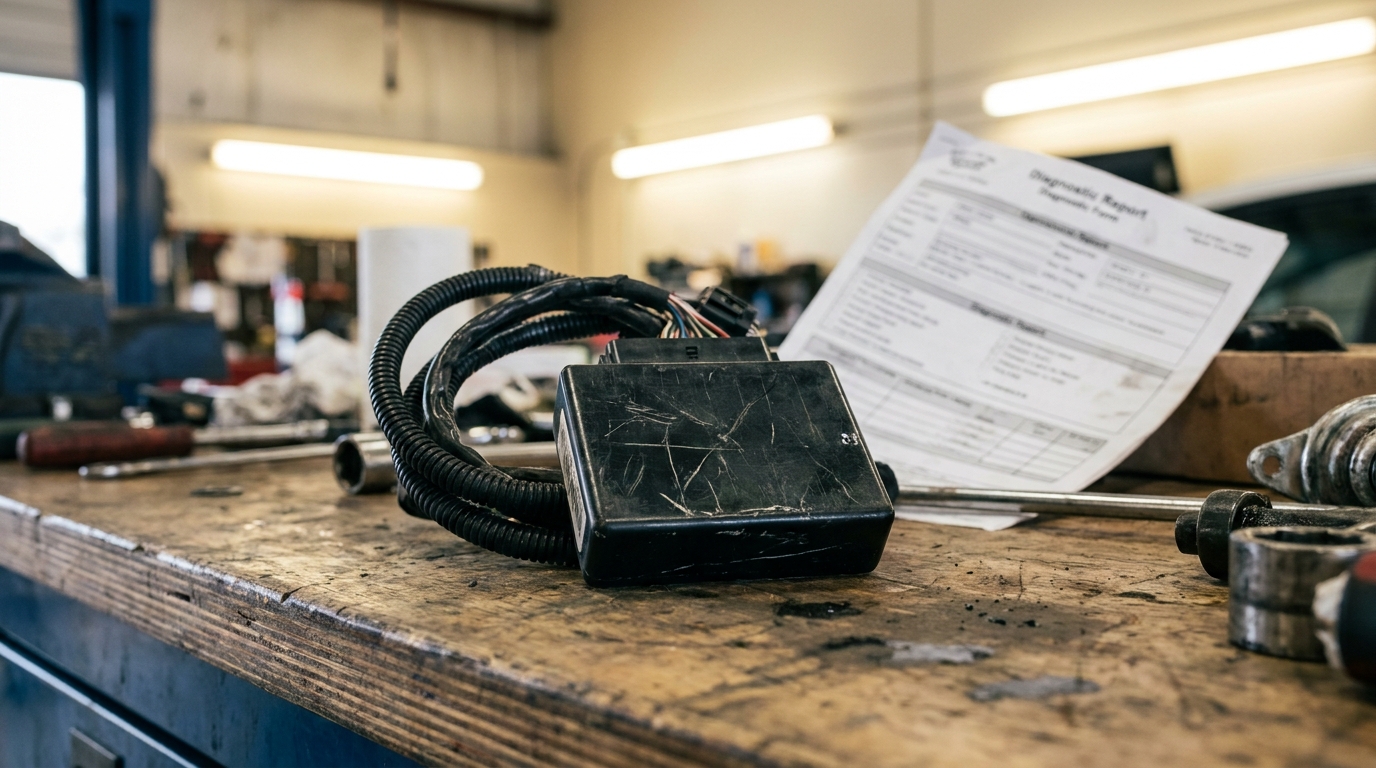
A vehicle black box, formally known as an event data recorder (EDR), is a device installed by manufacturers that captures key vehicle performance data in the moments before, during, and after a collision. Under California Vehicle Code § 9951(a), manufacturers of new vehicles sold or leased in California equipped with an EDR must disclose its presence in the owner’s manual. While § 9951 doesn’t mandate EDR installation, federal regulations and widespread manufacturer adoption mean most cars on Sacramento streets today are equipped with one.
The data these devices record is remarkably detailed. California law defines a "recording device" as one that records vehicle speed and direction, travel history, steering performance, brake performance (including whether brakes were applied before a crash), and driver seatbelt status. For victims trying to prove another driver was speeding or failed to brake before a rear-end collision, this data provides hard evidence that witness memories cannot match. To learn more, read about vehicle black box data and its role in accident claims.
💡 Pro Tip: EDR data can be overwritten or lost if the vehicle is moved, repaired, or scrapped. Ask your attorney to send a spoliation letter immediately.
Why Police Reports Often Fall Short on Fault in Sacramento Crashes
Many crash victims are surprised to learn that the official police report may not say who was at fault. California Vehicle Code § 20015(a) prohibits peace officers from including fault determinations in counter reports of property-damage-only accidents unless based on physical evidence examination at the accident site or an express admission by the reporting person. Many Sacramento collision reports simply document what happened without assigning blame.
This gap in official reporting makes independent evidence critical. EDR data capturing pre-collision speed, braking activity, and steering inputs fills that role precisely.
How California Law Protects and Restricts Access to EDR Data
Who Can Legally Retrieve Black Box Data?
EDR data is protected under California law, and you cannot simply download it from any vehicle. California Vehicle Code § 9951 provides that data recorded on an EDR may not be downloaded or retrieved by anyone other than the registered owner, except:
- With the registered owner’s consent
- Pursuant to a valid court order
- For motor vehicle safety or medical research purposes (without disclosing the owner’s identity)
- By a licensed new motor vehicle dealer or automotive technician for vehicle diagnostics, servicing, or repair
In a Sacramento car accident claim, your attorney may need to obtain a court order or secure the vehicle owner’s consent to legally access the data. This is why acting quickly matters. Filing a motion in Sacramento Superior Court to preserve and access EDR data is a step that an experienced attorney can handle efficiently.
Subscription Telematics Data: A Separate Path
If the vehicle involved uses a subscription service like OnStar or similar telematics system, different rules apply. Under California Vehicle Code § 9951(e), subscription service data meeting disclosure requirements may be more accessible during a crash investigation without the same court-order restrictions.
💡 Pro Tip: If the at-fault driver’s vehicle had an active telematics subscription, your attorney may obtain crash and location data through the service provider without a separate court order.
Proving Fault With Black Box Evidence Under California’s Negligence Laws
To recover compensation after a Sacramento car accident, you must prove the other driver was negligent. California Civil Code § 1714(a) establishes that everyone is responsible for injuries caused by their willful acts or lack of ordinary care. In a personal injury case, this means proving duty, breach, causation, and damages. EDR data directly supports the breach and causation elements by showing exactly what the at-fault driver did in the seconds before impact.
California follows a pure comparative negligence system, which makes precise fault determination especially valuable. Under this framework, a plaintiff can recover damages even if they are 99 percent at fault, with recovery reduced by their percentage of responsibility. Black box data from both vehicles can establish these fault percentages with precision that witness testimony alone rarely achieves. For victims with serious injuries, even a small shift in fault allocation can mean tens of thousands of dollars in additional recovery. You can review how comparative negligence works under this legal doctrine.
| Evidence Type | What It Shows | Strengths | Limitations |
|---|---|---|---|
| EDR / Black Box Data | Speed, braking, steering, seatbelt use | Objective, timestamped, difficult to dispute | Requires legal process to access |
| Police Report | Officer observations, driver statements, scene diagram | Official record; admissible | May lack fault determination under CVC § 20015 |
| Witness Statements | What bystanders saw or heard | Can corroborate other evidence | Subject to memory errors and bias |
| Photos/Video | Scene conditions, vehicle damage, injuries | Visual and compelling | May not capture pre-crash driver behavior |
| Medical Records | Injury type, severity, treatment timeline | Directly supports damages claims | Does not establish fault |
💡 Pro Tip: EDR data is most powerful when combined with other evidence. Photos, medical records, and witness statements build a comprehensive fault narrative.
What Damages Can You Recover in a Sacramento Crash Case?
Once fault is established, California law allows injured victims to pursue a broad range of compensable damages. These include medical bills, lost wages, ongoing treatment costs, emotional harm, and compensation for future problems resulting from the injury. In cases involving serious collisions on roads like I-80 or Highway 50, these damages can be substantial, particularly when injuries require long-term rehabilitation or result in permanent disability.
Black box data strengthens both your fault argument and your damages claim. When EDR evidence shows the at-fault driver was traveling well above the speed limit or never touched the brakes, it paints a clear picture of recklessness that may support higher pain-and-suffering awards. A Sacramento car accident attorney with extensive trial experience understands how to present this data effectively to insurers and juries.
How an Accident Report Supports Your Black Box Evidence
California Vehicle Code § 20012 gives injured parties and their attorneys a statutory right to obtain the official crash report. The law requires law enforcement agencies to disclose full report contents to involved drivers, injured persons, vehicle owners, and attorneys representing these parties. A skilled car accident lawyer in Sacramento can cross-reference accident report details against EDR data to identify inconsistencies in the other driver’s account and build a stronger case.
💡 Pro Tip: Request the official crash report as soon as possible. Comparing the report’s narrative with black box data often reveals discrepancies that challenge the at-fault driver’s version of events.
Frequently Asked Questions
1. How long does black box data last after a Sacramento car accident?
EDR data retention varies by manufacturer, but data can be overwritten by subsequent driving events or vehicle starts. Some recorders store data from only the most recent crash event. This is why preserving data quickly is essential. Your attorney can send a preservation demand letter and, if needed, seek a court order to prevent data loss.
2. Can insurance companies access my vehicle’s black box data without my permission?
Generally, no. Under California Vehicle Code § 9951(c), EDR data may not be retrieved by anyone other than the registered owner except with consent, by court order, for anonymized safety research, or by a licensed dealer for diagnostics. An insurance adjuster cannot simply download your vehicle’s data. However, if you sign broad authorization forms from the insurer, you may unknowingly grant access, so review documents carefully.
3. What if the police report does not assign fault in my crash?
This is common in Sacramento property-damage-only accidents due to restrictions in California Vehicle Code § 20015. The absence of a fault finding in a police report doesn’t mean you cannot prove fault in a civil claim. EDR data, witness statements, photographs, and medical evidence can all independently establish that the other driver’s negligence caused your injuries.
4. Does black box data hold up in court?
Yes, EDR data is generally admissible in California courts when properly obtained and analyzed. Because the data is machine-generated and objective, it’s considered highly reliable. However, it must be retrieved through legally authorized channels under § 9951, and typically needs interpretation by a qualified accident reconstructionist to be presented effectively at trial.
5. How does comparative fault affect my car accident case in Sacramento?
California’s pure comparative negligence rule means your recovery is reduced by your percentage of fault, but you’re not barred from recovering. If EDR data shows you were traveling five miles per hour over the speed limit but the other driver ran a red light, a jury might assign you 10 percent fault and the other driver 90 percent. Your total damages award would then be reduced by 10 percent. Precise fault allocation through black box evidence can significantly impact your case value.
Take Action to Protect Your Sacramento Car Accident Claim
Vehicle black box data can be decisive evidence in proving fault after a serious Sacramento crash, but only if preserved and obtained properly under California law. From navigating court orders for EDR access to challenging incomplete police reports and countering insurance company tactics, every step requires prompt, strategic action. With over 100 jury trials of experience, The Law Offices of Dale R. Gomes has the litigation strength to fight for the full compensation you deserve.
Do not wait for critical evidence to disappear. Contact The Law Offices of Dale R. Gomes today by calling 916-706-1351 or scheduling a consultation online to discuss your case.