
Understanding California’s Drug DUI Statute and What It Means for Sacramento Drivers
Key Takeaways: VC 23152(f) makes it unlawful to drive under the influence of any drug in California, including Sacramento County, with no per se numeric threshold. Prosecutors must prove actual impairment using officer observations, field sobriety performance, and drug recognition evaluator opinions, all of which may be challenged. A valid prescription or medical marijuana recommendation is not a defense under Cal. Veh. Code § 23630. A single arrest may trigger multiple subsections, including § 23152(g) for combined influence. An arrest starts a separate DMV proceeding with a 10-day hearing request window and typically a one-year suspension for refusing chemical testing. Because THC and drug metabolites linger after impairment ends, a positive test alone may not establish impairment at the time of driving.
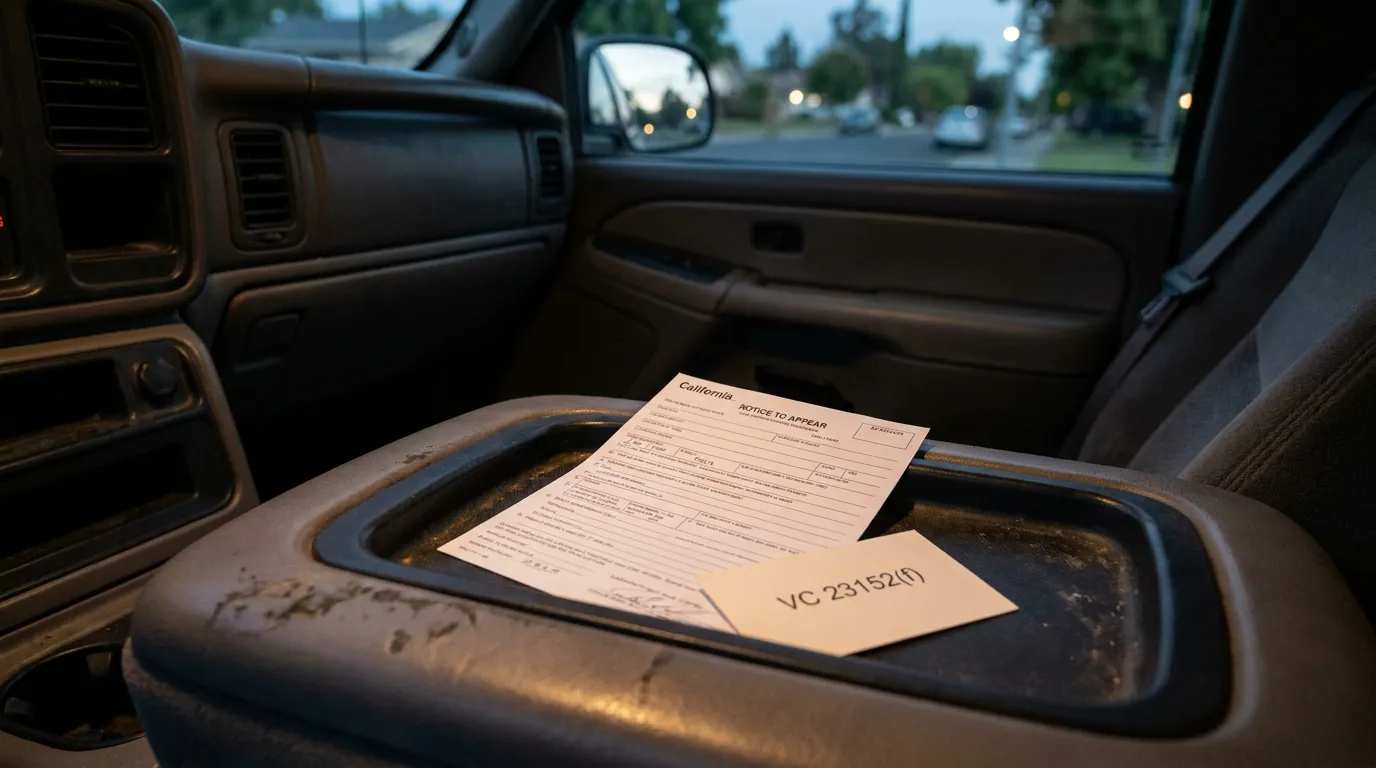
VC 23152(f) is the California statute that makes it unlawful to drive while under the influence of any drug. Under Cal. Veh. Code § 23152(f), "It is unlawful for a person who is under the influence of any drug to drive a vehicle." For purposes of the Vehicle Code, "drug" is defined under Cal. Veh. Code § 312 as a substance other than alcohol that could affect the nervous system, brain, or muscles to impair driving ability. Unlike alcohol cases, drug DUI charges turn on proof that a substance actually impaired your driving.
If you are facing a vc 23152(f) driving high California charge, timing matters. The Law Offices of Dale R. Gomes, a trial-tested Sacramento criminal defense firm, is available at 916-706-1351, or you can reach out to our team now to discuss your arrest. You can also learn more at The Law Offices of Dale R. Gomes.
How VC 23152(f) Differs From an Alcohol DUI
One important structural difference is the absence of a per se limit. Section 23152 sets a 0.08% per se threshold in subsection (b) for alcohol, along with lower thresholds for certain commercial and for-hire drivers. Subsection (f) contains no numeric drug concentration threshold, meaning prosecutors must prove actual impairment rather than point to a lab value exceeding a legislated cutoff.
Without a bright-line number, the government’s case often rests on officer observations, field sobriety performance, and drug recognition evaluator testimony. These categories of evidence are subjective and fact-dependent, and may be challenged on foundation, training, methodology, and reliability grounds.
The Subsections a Single Arrest Can Trigger
Prosecutors frequently file more than one subsection from the same traffic stop. Subsection (f) covers drugs alone, while Cal. Veh. Code § 23152(g) separately prohibits driving under the combined influence of an alcoholic beverage and a drug. The full text of the California Vehicle Code section 23152 also contains provisions addressing commercial and for-hire drivers.
| Subsection | What It Prohibits |
|---|---|
| § 23152(b) | Driving with 0.08% or more blood alcohol |
| § 23152(d) | Commercial driving at 0.04% or more |
| § 23152(e) | Driving for hire with a passenger, alcohol-related |
| § 23152(f) | Driving under the influence of any drug |
| § 23152(g) | Combined influence of alcohol and a drug |
Which subsections apply depends on your license class, what you were doing, and what chemical testing showed.
Why a Prescription or Cannabis Card Is Not a Defense to VC 23152(f) Driving High California Charges
Legal authorization to use a substance does not shield you from a DUI of drugs charge. Cal. Veh. Code § 23630 states that the fact a person charged under Section 23152 or 23153 "is, or has been entitled to use, the drug under the laws of this state shall not constitute a defense against any violation of the sections." Lawful use may be relevant to other issues, such as dosage, timing, and whether the substance was actually impairing.
The DMV’s guidance on alcohol and drugs while driving explains that DUI laws apply to drugs as well as alcohol, and that the law does not treat medications from a doctor differently from illegal drugs. Prescription sleep aids, anxiety medication, muscle relaxants, and over-the-counter antihistamines can all support a charge if they impaired driving.
The statutory carve-out is extraordinarily narrow. Cal. Veh. Code § 23152.5 permits driving under the influence of a drug while under CHP supervision on CHP property for research purposes. That exception has no bearing on ordinary motorists.
💡 Pro Tip: Preserve the packaging, pharmacy label, and dosage instructions for any medication you took. Timing and dosage details can matter when contesting whether a drug was actually impairing at the moment of driving.
The DMV Case Runs Alongside Your Criminal Case
An arrest under Section 23152 sets two separate proceedings in motion. The arresting officer forwards the notice of suspension and sworn report to the DMV, which conducts an administrative review distinct from the criminal prosecution in Sacramento Superior Court. An outcome in one does not automatically determine the other.
The Order of Suspension you receive at the roadside generally doubles as a 30-day temporary license, allowing you to continue driving if the license is otherwise valid. That window closes quickly.
The 10-Day Hearing Deadline
You generally have 10 days from receipt of the suspension or revocation order to request a DMV hearing. This administrative deadline is separate from any criminal deadline. Requesting a hearing in time may allow the suspension to be stayed pending the decision.
The issues addressed at a DMV hearing generally include:
- Whether the officer had reasonable cause to believe the driver violated CVC §§ 23140, 23152, or 23153
- Whether the driver was lawfully arrested
- Whether the chemical testing and reporting requirements were satisfied
For a fuller walkthrough, our guide on what happens after a DUI arrest explains how the criminal and administrative tracks unfold.
Chemical Testing and the Consequences of Refusal
Because no per se drug limit exists, officers may request a blood test or, in limited circumstances, a urine test when drug impairment is suspected. Under California’s implied consent law, that duty arises after a lawful arrest and proper admonition. Refusing may result in the DMV suspending or revoking driving privileges for one year. That administrative consequence exists independently of criminal court outcomes.
Repeat refusals escalate sharply. For drivers 21 and older, the DMV generally imposes a one-year suspension for a first refusal, two-year revocation with one qualifying prior DUI offense or refusal within 10 years, and three-year revocation with two or more such priors. These lengths are set administratively and are not automatically erased by a favorable criminal outcome.
Reinstatement carries its own requirements, including a reissue fee (commonly $125 for drivers 21 and older), proof of financial responsibility, and potentially program completion.
💡 Pro Tip: Write down everything you remember about the stop while it is fresh, including where the stop occurred, what the officer said, and what tests you were asked to perform.
Where Drug DUI Cases Are Commonly Challenged
Defense work in a cannabis impairment driving case often starts at the beginning of the encounter. Was there a lawful basis for the traffic stop? Was there probable cause for the arrest? Were statements taken during custodial interrogation obtained in compliance with Miranda protections? Suppression of evidence obtained through a defective stop or search may reshape a case.
Attacking the Impairment Evidence Itself
THC and many prescription drug metabolites can linger in the body long after any impairing effect has ended. A positive toxicology result does not necessarily establish that a driver was impaired at the time of driving, which is the element the prosecution must prove under the drugged driving law in CA. Blood draw procedures, chain of custody, and laboratory protocols may all be subject to scrutiny.
Field sobriety tests were largely designed and validated around alcohol impairment. Their application to suspected marijuana DUI in Sacramento cases can be contested, particularly where medical conditions, fatigue, footwear, roadside conditions, or nerves could explain the observed performance.
Dale Gomes brings more than 100 jury trials of courtroom experience to these fights, and that willingness to try a case can give negotiations real weight against prosecutors. If you are looking for a Sacramento DUI defense lawyer, the firm handles matters throughout the region and also serves clients in El Dorado Hills and Folsom.
Frequently Asked Questions
1. Can I be convicted if my blood test showed only a small amount of THC?
Possibly, because California law contains no numeric drug threshold under § 23152(f). The prosecution must prove actual impairment, which means a low concentration may support an argument that the substance was not impairing at the time of driving.
2. Does a valid medical marijuana recommendation protect me?
No. Cal. Veh. Code § 23630 provides that being entitled to use a drug under California law is not a defense to a Section 23152 charge. Legality of possession and legality of driving while impaired are separate questions.
3. What happens if I refused the blood test?
Where the arrest was lawful and the required admonition was given, a refusal generally triggers a one-year DMV suspension for a first offense, with longer revocation periods where there are qualifying priors within 10 years. The refusal may also be raised in the criminal case.
4. Is the DMV hearing the same as my court date?
No. The DMV process is administrative and addresses your driving privilege, while the criminal case in Sacramento Superior Court addresses the charge itself. You must request the DMV hearing within 10 days of receiving the suspension order.
5. Can a 23152(f) charge be filed alongside other subsections?
Yes. Prosecutors often file multiple subsections from a single arrest, including § 23152(g) for the combined influence of alcohol and a drug. Which subsections apply depends on the facts and your driver status.
Protecting Your License and Your Record After a Drug DUI Arrest
A VC 23152(f) case differs from an alcohol prosecution because there is no set legal limit. The government must connect a substance to actual impairment behind the wheel, and that connection is often built on subjective observations that may be tested through cross-examination and motion practice. The parallel DMV process moves on its own short timeline, and missing the 10-day request window may cost you your driving privilege regardless of what happens in court.
If you were arrested for driving high in Sacramento, do not wait for the deadlines to pass. Call The Law Offices of Dale R. Gomes at 916-706-1351 or schedule your case review today to discuss your options.
Disclaimer: This content is for informational purposes only and is not legal advice. Every case is unique, and results may vary. Consult an attorney about your specific circumstances.