
Who Pays When a Left Turn Ends in a Sacramento Side-Impact Crash?
Key Takeaways: In California, the driver turning left is often at fault in a T-bone crash, because Vehicle Code § 21801(a) requires them to yield to oncoming traffic close enough to be a hazard, but fault is not automatic. A green light or even a green arrow does not remove a turning driver’s duty to yield to traffic and pedestrians lawfully in the intersection. Under Evidence Code § 669, a driver who breaks a traffic safety law can be presumed negligent, though the turning driver may try to rebut that presumption. If the driver going straight ran a red light, was speeding, or was distracted, that driver may share some or all of the blame, and California’s pure comparative negligence rule may still let a partly at-fault driver recover reduced compensation. Collect photos, witness names, video, and medical records before they disappear. Injured people generally have two years to file a personal injury lawsuit, or six months to file a claim against a government agency, so act quickly.
In many cases, California law treats the driver turning left as the one at fault in a T-bone crash, but fault is not automatic. California Vehicle Code § 21801(a) generally requires a left-turning driver to yield to oncoming vehicles close enough to be a hazard. Still, a speeding, red-light-running, or distracted driver may share some or all of the blame. T-bone crashes hit the side of a car, where there is less protection, so they often cause brain injuries, spinal damage, and broken bones.
If you were seriously hurt in a side-impact crash, insurers may start building their case right away. The Law Offices of Dale R. Gomes has tried more than 100 jury trials and is ready to go to court when an insurer refuses to be fair. Call 916-706-1351 or contact us now to talk about your claim before key evidence disappears.
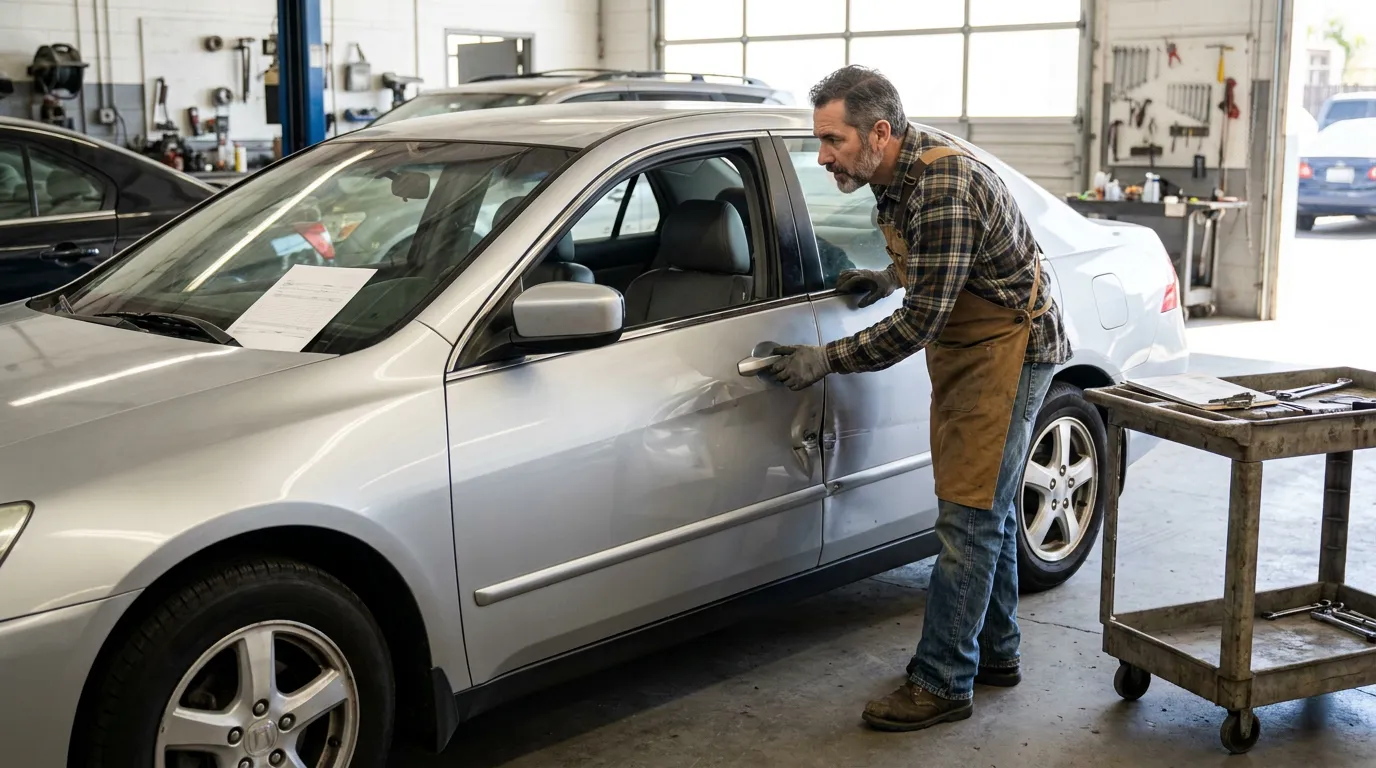
The Left-Turn Yield Law Behind Most Broadside Claims
The main rule is in California Vehicle Code § 21801(a). Under this left-turn yield statute, a driver who plans to turn left, make a U-turn, or turn into an alley or onto public or private property must yield to all oncoming vehicles close enough to be a hazard at any point during the turn. Once the turning driver has yielded and signaled, § 21801(b) requires oncoming drivers to yield to that driver. Courts and insurers often start their fault review here.
What a Green Light Does and Does Not Allow
A green light lets you turn, but it does not by itself give you the right-of-way. California Vehicle Code § 21451(a) says any driver, including one who is turning, must yield to other traffic and to pedestrians lawfully in the intersection or an adjacent crosswalk. At busy Sacramento intersections along Folsom Boulevard, Watt Avenue, or Stockton Boulevard, many left-turning drivers wrongly assume a green ball means they can go without yielding.
A green arrow lowers a turning driver’s risk of being found at fault, but it does not remove the duty to yield. Under California Vehicle Code § 21451(b), a driver facing a green arrow may make only the movement the arrow shows and must still yield to pedestrians lawfully in an adjacent crosswalk and to other traffic lawfully in the intersection. Under California Vehicle Code § 21457(b), drivers facing a flashing yellow signal may go only with caution, so drivers facing a flashing yellow arrow may turn left only after yielding to oncoming vehicles and pedestrians.
Left Turns on a Red Light
Unless a sign says otherwise, a left turn on red is allowed only from a one-way street onto another one-way street, and only after a full stop. California Vehicle Code § 21453(b) requires that driver to yield to pedestrians lawfully in an adjacent crosswalk and to any vehicle close enough to be an immediate hazard.
How the Negligence Presumption Strengthens Your T-Bone Accident Fault Claim
California law can presume that a driver who broke a traffic safety law was negligent. Under California Evidence Code § 669(a), a driver is presumed to have failed to use due care if four things are true:
- The driver broke a law, such as a right-of-way rule
- Breaking the law helped cause the injury
- The injury came from the kind of event the law was meant to prevent
- The injured person was in the group the law was meant to protect
A left-turning driver who fails to yield and causes a T-bone crash will often meet all four. This negligence per se presumption can be a strong tool for injured people in Sacramento, though you must still prove the crash caused your injuries and show your damages.
The turning driver can challenge the presumption. Under California Evidence Code § 669(b)(1), the turning driver may try to show they acted as a reasonably careful person trying to follow the law would have. That is why insurers often look closely at visibility, speed, and signal timing.
💡 Pro Tip: A failure-to-yield ticket does not decide civil fault, and a conviction for a traffic infraction generally cannot be used as evidence of negligence in your injury case. You may still win your claim even if no ticket was written.
When the Driver Going Straight Shares the Blame
The general rule has key exceptions. Under California Vehicle Code § 21453(a), a driver facing a steady red light must stop and, unless a turn is allowed, stay stopped until a signal lets them go. If the straight-through driver ran a red light and hit a left-turning car, that driver may carry most or all of the fault. Speeding, texting, and drunk driving can also shift blame.
California follows pure comparative negligence, so shared fault generally does not end a claim. Your compensation drops by your percentage of fault, but you may still recover even if you were mostly at fault. To learn how percentages are assigned, read our guide on car accident liability in California. Insurers often use this rule to push more blame onto injured drivers, so careful evidence matters.
| Scenario | Who May Be at Fault | Key Statute |
|---|---|---|
| Left turn on a green ball into oncoming traffic | Usually the left-turning driver | CVC §§ 21801(a), 21451(a) |
| Left turn on a green arrow, oncoming driver ran a red | Often the oncoming driver | CVC §§ 21451(b), 21453(a) |
| Flashing yellow arrow, turning driver failed to yield | Usually the left-turning driver | CVC §§ 21457(b), 21801(a) |
| Turning driver failed to yield, oncoming driver was speeding | Fault may be shared | CVC § 21801(a); comparative negligence |
Evidence That Wins Left-Turn Fault Disputes
Proving who had the right-of-way often depends on evidence that can disappear within days. Traffic camera and business security video may be deleted quickly, witnesses may forget details, and vehicle data may be lost once a car is repaired or scrapped.
After a serious crash on Highway 50, I-80, or near Capitol Mall, collect:
- Photos of the vehicles, the intersection, the signals, and any skid marks
- Names and phone numbers of witnesses
- The police report number
- Dashcam, doorbell, or nearby business video
- Medical records that link your injuries to the crash
Medical records matter as much as fault evidence. Get care right away and follow your treatment plan. Gaps in treatment give adjusters an easy reason to undervalue your claim.
💡 Pro Tip: Do not give a recorded statement to the other driver’s insurer before speaking with a lawyer.
Deadlines That Can Cost You Your Claim
In general, California gives injured people two years from the date of the crash to file a personal injury lawsuit under Code of Civil Procedure § 335.1; property damage claims generally have three years under § 338. Injury claims against government agencies, such as a city vehicle or a Sacramento Regional Transit bus, generally require a written claim within six months under Government Code § 911.2. You must file that claim before you can sue, and missing the deadline can block your case unless a court grants late-claim relief, which you must request within one year.
Fighting Insurance Companies With a Trial-Ready Sacramento Car Accident Lawyer
Insurers often treat a lawyer ready for trial differently from a simple demand letter. Dale Gomes has tried more than 100 jury trials, and his firm prepares serious injury cases as if they will be heard in Sacramento Superior Court. A Sacramento car accident lawyer who knows local roads and juries may be better able to hold a careless driver responsible. The firm also serves injured clients in El Dorado Hills and Folsom.
Frequently Asked Questions
1. Is the left-turning driver always at fault?
No, but they often are. California Vehicle Code § 21801(a) creates a strong starting point against the turning driver. Still, red-light running, speeding, or distraction by the other driver may shift some or all of the fault.
2. Does a green arrow protect the turning driver?
A green arrow helps, but it is not full protection. Under California Vehicle Code § 21451(b), the turning driver must still yield to traffic and pedestrians lawfully in the intersection or an adjacent crosswalk.
3. Can I recover compensation if I was partly at fault?
In many cases, yes. Under California’s pure comparative negligence rule, your recovery drops by your percentage of fault, but it is not barred.
4. How long do I have to file a claim?
Generally two years for a personal injury lawsuit under Code of Civil Procedure § 335.1. Injury claims against public agencies usually require a written claim within six months under Government Code § 911.2.
5. What compensation may be available after a T-bone crash?
Injured people may be able to recover medical bills, lost wages, lost earning capacity, and pain and suffering. The amount depends on the facts, injury severity, and evidence. Under Civil Code § 3333.4, an uninsured vehicle owner or driver, or someone who cannot establish financial responsibility, generally cannot recover pain-and-suffering damages even if the other driver caused the crash. However, if the at-fault driver was convicted of DUI for causing that crash, this exception can restore the uninsured victim’s right to recover pain-and-suffering damages.
Protecting Your Recovery After a Broadside Crash
T-bone fault usually starts with California’s left-turn yield law, but the full answer depends on signals, speed, visibility, and evidence. The negligence presumption in Evidence Code § 669 can help injured drivers, while comparative negligence may reduce a recovery when both drivers share blame.
Insurance companies often have teams working to limit what they pay, and you deserve a trial-tested lawyer on your side. Reach out to The Law Offices of Dale R. Gomes today. Call 916-706-1351 or schedule your consultation before California’s deadline runs out on your claim.
Disclaimer: This content is for informational purposes only and is not legal advice. Every case is unique, and results may vary. Consult an attorney about your specific circumstances.