
When Toxic Mold in Your Rental Becomes a Legal Injury Claim
Key Takeaways: Yes, a Sacramento landlord can be held liable when toxic mold causes real harm. California law imposes a broad duty of ordinary care and affirmative duties once a landlord knows mold or chronic water intrusion exists. Visible residential mold is treated as a substandard, habitability-violating condition. To win a claim, tenants must prove duty, breach, causation, and damages through photos, written notice, medical records, and code enforcement reports. Because California has no numeric mold exposure limit, liability is proven through the totality of evidence. Tenants must report mold in writing and cooperate; failing to do so can reduce recovery under comparative fault. Prompt documentation and timely action with an experienced attorney are essential.
Yes, a Sacramento landlord can be held liable when toxic mold in a rental unit causes real harm to a tenant. California law recognizes that property owners bear responsibility for injuries from unsafe or unsanitary conditions, and toxic mold is one of the clearest habitability problems that can support a claim. If you developed respiratory problems or other health effects because your landlord ignored a mold or water-intrusion problem, you may have grounds to pursue compensation.
If you are researching your options after a mold-related illness, The Law Offices of Dale R. Gomes can help you understand your rights. You can reach our team through our Sacramento personal injury firm, call us directly at 916-706-1351, or request a case review through our confidential contact page.
The Legal Duty Behind a Landlord’s Responsibility
California premises liability starts with a broad statutory duty of ordinary care. Under California Civil Code § 1714(a), everyone is responsible not only for their willful acts but also for injuries caused by a lack of ordinary care in managing their property. This statute is the baseline for premises liability and supports a landlord’s obligation to maintain reasonably safe conditions and address known hazards like toxic mold. Review the full statutory text of this general duty of ordinary care.
A landlord’s duty regarding known mold is grounded in habitability and general negligence law. California Health and Safety Code § 26143(a) states that landlords who know or have notice that mold is present, or that chronic water intrusion or flooding likely to cause mold exists, have an affirmative duty to assess the situation and conduct necessary remedial action within a reasonable time. This provision applies to commercial and industrial landlords but does not take effect until the state adopts mold exposure standards it has never enacted. It illustrates the type of obligation that, when breached, can support a landlord-liability claim for mold exposure injuries.
💡 Pro Tip: Put your mold complaint in writing and keep a copy. Written notice establishes the exact date your landlord had knowledge, often a decisive fact in liability disputes.
Why Mold Counts as an Unsafe Rental Condition
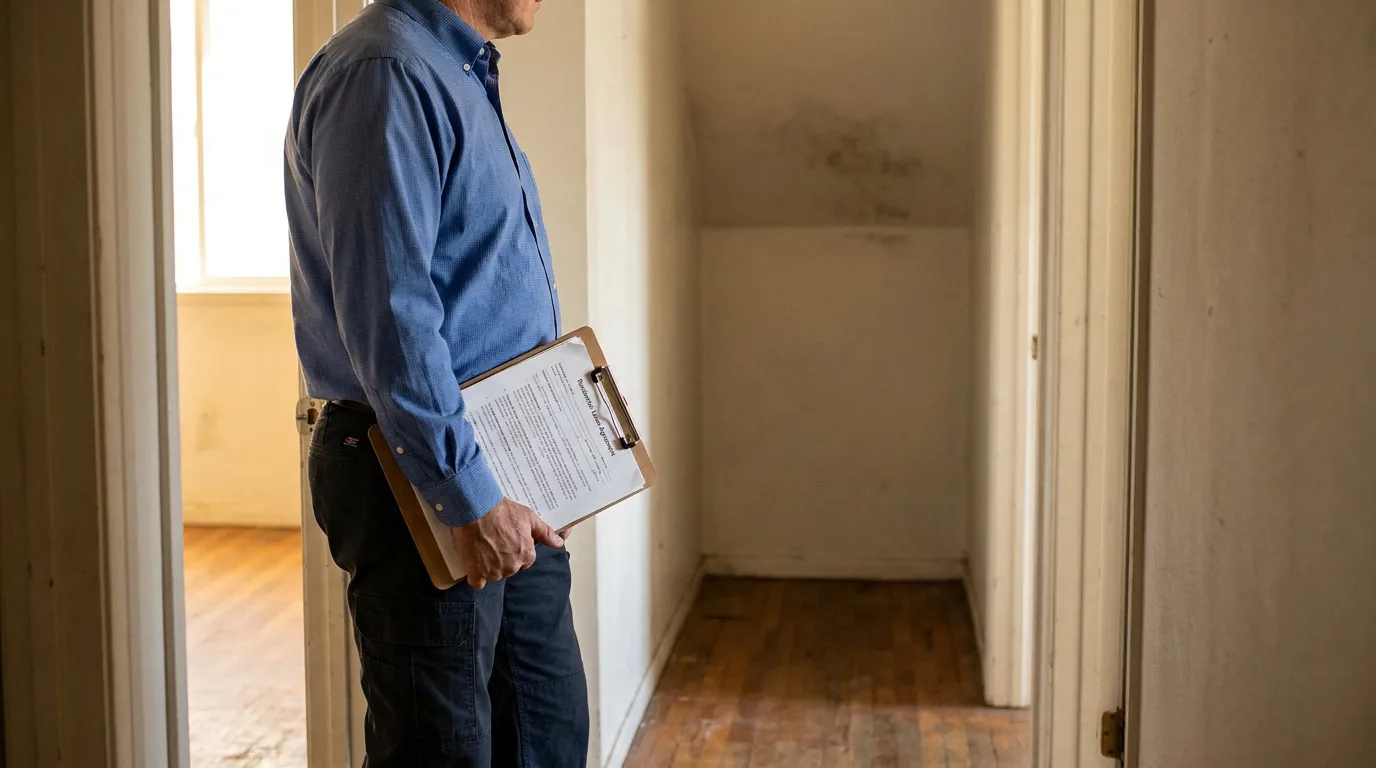
Visible residential mold is a formal habitability violation in California. According to the California Department of Public Health, visible residential mold at levels that may be hazardous to occupants makes housing substandard under the California Housing Code. Local code enforcement can cite visible mold, requiring owners to remediate and reinforcing a Sacramento landlord’s legal duty to fix unsafe rental conditions.
Dampness and water intrusion are treated as substandard conditions. The CDPH agrees with building and health professionals that indoor dampness, water intrusion, or fungal growth should always be eliminated safely and efficiently. Dampness in living spaces has long been listed as a condition making a home substandard, establishing that reasonable landlords should recognize moisture and mold as serious hazards.
California housing law treats these conditions seriously. Under California Health and Safety Code § 17980.3(b), where conditions significantly interfere with the peaceful enjoyment or safe and sanitary use of premises, obligations can include arranging comparable temporary housing. Toxic mold is precisely the kind of condition triggering these protections.
Can I Sue My Landlord for an Injury in California From Mold?
Suing your landlord for a mold injury in California depends on proving standard premises liability elements. You must show the landlord owed a duty, breached it through an unsafe condition or negligent maintenance, that the breach caused your injury, and that you suffered provable damages. Documentation of both the condition and your medical treatment is essential.
Connecting mold to actual health injury is central to any claim. The CDPH links indoor dampness and mold to adverse health effects, including upper respiratory symptoms like stuffy nose, sinuses, and sore throat, and lower respiratory symptoms like wheezing, difficulty breathing, and cough. The agency notes that if you can see mold, water damage, or moisture, or smell mold, there is increased health risk, the more extensive the dampness and mold, the greater the risk. Review these documented mold health effects.
To prove a mold exposure lawsuit, plaintiffs focus on evidence such as:
- Photographs and video of visible mold, staining, or water damage over time
- Written notices to the landlord and any responses or silence
- Medical records connecting symptoms to exposure
- Code enforcement citations or inspection reports
- Repair histories showing ignored or delayed remediation
💡 Pro Tip: Ask your doctor to note when symptoms began and whether they improved away from the property. This timeline can strengthen causation in a toxic mold injury case.
The Missing Numeric Standard and How It Affects Proof
California has no numeric mold exposure limit, which changes how cases are proven. The 2001 Toxic Mold Protection Act directed the CDPH to assess the feasibility of permissible exposure limits. The agency concluded in 2005 that available evidence did not support establishing science-based exposure limits, and that remains its position. Without a bright-line number, mold liability is proven through the totality of evidence, including visible conditions, medical testimony, and the landlord’s response to notice.
Tenant Duties, Comparative Fault, and Practical Limits
Tenants also carry responsibilities that can affect a mold claim. California Health and Safety Code § 26142(a) directs tenants of commercial or industrial property who know mold or chronic water intrusion exists to inform the landlord in writing within a reasonable time and make the property available for assessment or remedial action. This provision, like the related landlord duty, does not take effect until the state adopts mold standards, and it expressly does not affect existing residential tenant and landlord duties. Promptly reporting mold in writing and cooperating with remediation remain important under general negligence and comparative fault principles.
Your conduct can reduce recovery under California’s comparative fault system. Civil Code § 1714(a) exempts liability when an injured person willfully or through lack of ordinary care brought the injury upon themselves. California applies pure comparative fault, so a tenant who ignored obvious moisture problems or failed to report them may see reduced recovery.
When a landlord stays unresponsive, code enforcement is a practical parallel path. The CDPH notes that the challenge for renters is identifying the proper local code enforcement authority. A code citation can compel remediation, but that administrative process is separate from any civil lawsuit for personal injuries.
💡 Pro Tip: Filing a code enforcement complaint does not replace a personal injury claim. The two processes run on different tracks.
| Element | What It Generally Requires |
|---|---|
| Duty | Landlord’s obligation to maintain safe conditions |
| Breach | Ignoring known mold or failing to remediate |
| Causation | Linking mold exposure to your health injury |
| Damages | Medical bills, lost wages, pain and suffering |
How a Sacramento Injury Attorney Builds These Claims
These cases reward early, thorough documentation and aggressive advocacy. The Law Offices of Dale R. Gomes brings extensive courtroom experience and a proven track record, with more than 100 jury trials, to serious injury matters across the region, including clients in El Dorado Hills and Folsom. That trial-tested approach matters because insurance companies often minimize mold claims, and a firm willing to take a case to trial is better positioned to push back.
A serious mold injury shares common ground with other premises hazards. Just as a wet floor can support a fall claim, a saturated wall or ceiling can support a habitability-based injury claim. Our overview of premises liability in Sacramento CA explains how unsafe conditions become the foundation of a claim. For tenant rights, our guide on can i sue my landlord for an injury in California walks through the analysis in detail.
Frequently Asked Questions
1. How long do I have to file a mold injury claim in California?
Personal injury claims in California are generally subject to a two-year statute of limitations. Exceptions, such as delayed discovery, are interpreted narrowly and do not apply automatically. Claims against government entities may involve much shorter administrative notice deadlines, so acting quickly protects your rights.
2. Do I have to prove a specific mold level to win?
No, because California has not adopted a numeric exposure limit. Liability is established through overall evidence, including visible conditions, medical records, and the landlord’s response to notice.
3. What if I did not report the mold right away?
Delayed reporting can affect your claim but does not necessarily end it. Under comparative fault rules, your recovery may be reduced if your conduct contributed to the harm, which is why prompt written notice is valuable.
4. Is code enforcement the same as suing my landlord?
No, these are separate processes. Code enforcement can require remediation but does not compensate you for personal injuries. A civil claim is the path to recover medical bills, lost wages, and pain and suffering.
5. Can I still sue if I have moved out?
Possibly, depending on timing and evidence. As long as your claim falls within the statute of limitations and you can document the condition and injuries, moving out does not automatically bar a claim.
Protecting Your Health and Your Legal Rights
Toxic mold is a serious habitability problem, and California law gives injured tenants meaningful avenues to pursue accountability. Between the general duty of ordinary care, the affirmative duties triggered by notice, and the treatment of visible mold as a substandard housing condition, a landlord who ignores a known hazard may be held responsible for the harm that follows. Careful documentation and timely action are critical to preserving your options.
If mold in your rental has made you or your child sick, do not wait to protect your claim. Contact The Law Offices of Dale R. Gomes through our dedicated legal team, call 916-706-1351 today, or reach out through our secure case evaluation form so we can review your situation before important deadlines pass.