
Can a False Accusation of Domestic Violence Lead to Perjury Charges in California?
Key Takeaways: California law imposes serious consequences for false domestic violence accusations made under oath. Perjury under California Penal Code § 118 is a felony punishable by imprisonment pursuant to Penal Code section 1170(h) for two, three, or four years (which is generally served in county jail under realignment, unless another law requires state prison), while filing a false police report under PC § 148.5(a) is a misdemeanor punishable by up to six months in jail and a $1,000 fine. However, perjury convictions require corroborating evidence beyond contradictory testimony under PC § 118(b). If you’ve been falsely accused of domestic violence in Sacramento, these statutes can be critical to your defense strategy. An experienced criminal defense attorney can help determine whether the accuser’s conduct constitutes a criminal offense.
Yes, a person who knowingly makes a false domestic violence accusation under oath in California can face perjury charges. Under California Penal Code § 118, perjury is a felony offense punishable by imprisonment pursuant to Penal Code section 1170(h) for two, three, or four years (per Penal Code § 126). Additionally, California Penal Code § 148.5(a) makes it a misdemeanor to knowingly file a false crime report with law enforcement. For those facing false domestic violence accusations in Sacramento, these statutes provide the foundation for a defense strategy that challenges the accuser’s credibility and potential criminal liability. Whether the false statement occurred in a sworn restraining order declaration, testimony before a Sacramento Superior Court judge, or a police report, California law treats fabricated accusations as conduct carrying real penalties. However, a private person generally cannot personally prosecute a criminal case; criminal prosecutions are ordinarily brought and pursued by public prosecutors (e.g., the district attorney). California procedure does allow a sworn written complaint to be filed with a magistrate in certain circumstances (see Penal Code § 806), after which a magistrate may issue process, though whether the case is then pursued remains subject to prosecutorial discretion.
If you are dealing with false DV allegations, The Law Offices of Dale R. Gomes can help you fight back. Call 916-706-1351 or reach out online to discuss your case today.
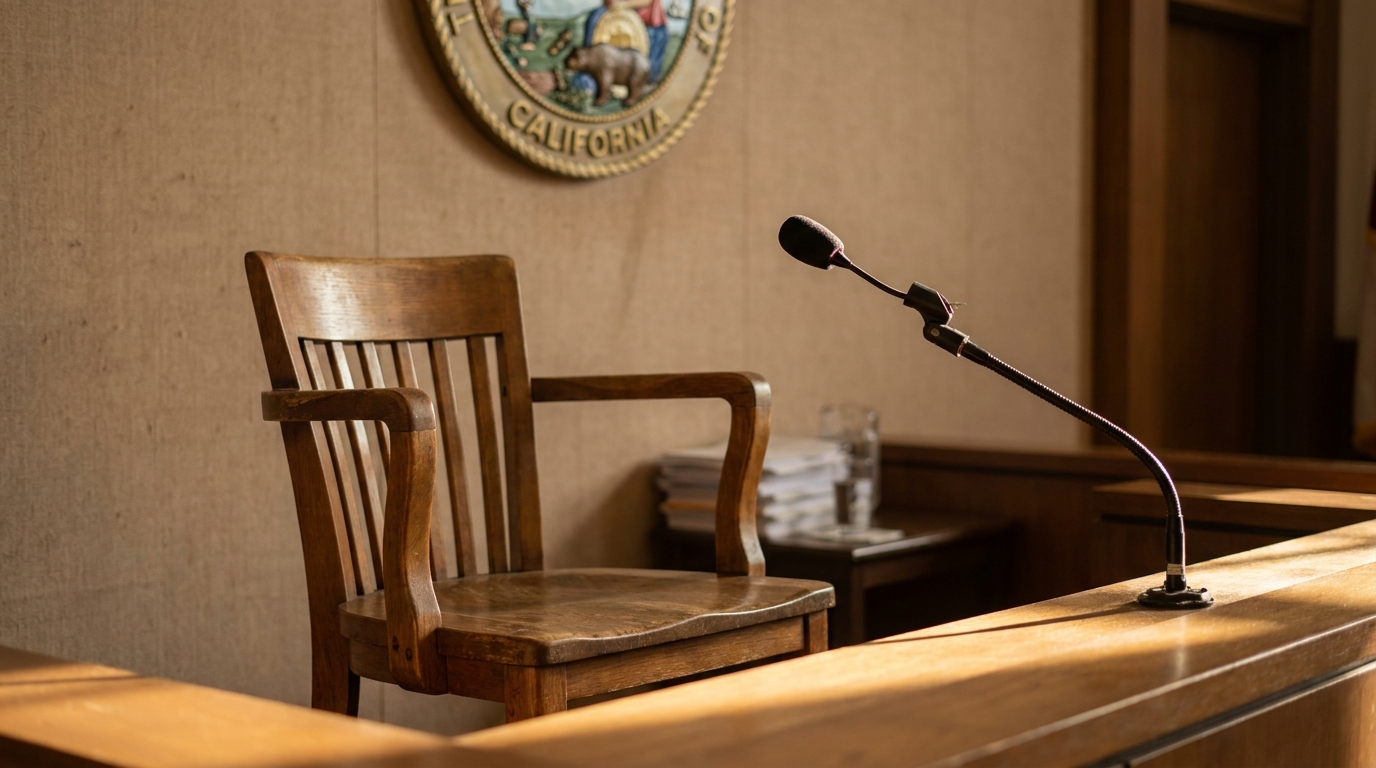
Understanding the Penalty for False Accusation of Domestic Violence California Law Recognizes
California addresses false accusations through two primary criminal statutes, each targeting different dishonest conduct. The first is Penal Code § 148.5(a), which makes it a misdemeanor to report a felony or misdemeanor to law enforcement knowing the report is false. This directly applies when someone fabricates a DV complaint. The second is Penal Code § 118, California’s perjury law, covering anyone who willfully states as true any material matter they know to be false while under oath.
The distinction between these statutes matters for your defense. A false police report triggers PC § 148.5, while false court testimony, sworn restraining order declarations, or depositions trigger PC § 118. In many domestic violence cases, an accuser may have made false statements in multiple contexts, potentially exposing them to charges under both statutes.
How PC § 148.5 Applies to False DV Reports
Filing a false police report is often the first dishonest act in a fabricated DV case. Under PC § 148.5(a), knowingly making a false report of a felony or misdemeanor to a peace officer is a misdemeanor. A conviction carries up to six months in county jail and a fine of up to $1,000 under California Penal Code § 19. Penal Code § 148.5(e) states that section 148.5 does not apply to reports made by statutorily mandated reporters of known or suspected child abuse, dependent adult abuse, or elder abuse, but that does not create blanket protection for knowingly false abuse reports under all California laws.
For the falsely accused, identifying a false police report can be a powerful defense tool. If your attorney demonstrates the accuser knowingly fabricated the initial report, it may undermine the prosecution’s entire case. Documentation and evidence collection during DV investigations, training on these topics required by Penal Code § 13519(c)(10), can sometimes reveal inconsistencies pointing to a false accusation.
💡 Pro Tip: If someone filed a false DV report against you, preserve all communications including text messages, emails, voicemails, and social media posts to demonstrate inconsistencies with the accuser’s statements.
Felony Perjury Under PC § 118
Perjury is far more serious than filing a false report. California Penal Code § 118(a) defines perjury as willfully stating as true any material matter one knows to be false while under oath. In DV cases, this commonly arises when an accuser signs a sworn restraining order declaration or testifies at a hearing. Perjury is a felony punishable by imprisonment pursuant to Penal Code section 1170(h) for two, three, or four years (per Penal Code § 126). Critically, under PC § 118(b), perjury convictions require corroborating evidence beyond one person’s contradictory testimony, such as documents, recordings, or additional witnesses.
PC § 118(a) applies whether the false statement was made inside or outside California, provided it was made under oath authorized by California law. A false sworn statement made in another state pursuant to a California proceeding could still form the basis of a California perjury charge.
How California Law Treats False Statements as Serious Misconduct
California’s legal framework treats knowingly false statements in criminal proceedings as serious conduct warranting significant consequences. Penal Code § 13510.8(b)(1) formally classifies perjury and intentionally filing false reports as "serious misconduct" for peace officer certification, placing them alongside tampering with evidence. While this applies to officer discipline, it reflects California’s broader standard that dishonesty in criminal reporting is a grave offense.
California law also provides civil remedies that may apply alongside criminal penalties. A falsely accused person may pursue civil actions for malicious prosecution or defamation against the accuser, depending on circumstances.
💡 Pro Tip: Perjury and false reporting are separate offenses. An accuser who lies to police and then under oath in court could face charges under both PC § 148.5 and PC § 118.
Building a Defense Against False DV Accusations in Sacramento
A strong defense against false DV accusations often involves exposing the accuser’s dishonesty at every stage. California law enforcement receives formal training under Penal Code § 13519(a) on handling domestic violence complaints, including documentation, report writing, and evidence collection as specified in subsection (c)(10). Police reports, body camera footage, and interview records may contain valuable evidence contradicting a false accuser’s testimony.
Your defense attorney can use inconsistencies between the accuser’s police report, sworn declarations, and courtroom testimony to challenge their credibility. Courts notice when an accuser’s story changes between the initial report and a hearing. If you’ve been falsely accused of domestic violence, leveraging these inconsistencies is critical to protecting your rights.
What Evidence Supports a False Accusation Defense
Several categories of evidence can demonstrate a fabricated DV accusation:
- Text messages, emails, or recorded communications contradicting the accuser’s claims
- Witness testimony from individuals present during the alleged incident
- Surveillance footage, photographs, or physical evidence inconsistent with the accuser’s account
- Prior false accusations or documented patterns of dishonest conduct
- Medical records not supporting claimed injuries
💡 Pro Tip: California’s perjury standard extends to family law proceedings. Under Family Code § 17524(a), child support arrearage statements must be signed under penalty of perjury. False sworn statements in related family court filings could become relevant evidence.
| Offense | Statute | Classification | Maximum Penalty |
|---|---|---|---|
| False police report | PC § 148.5(a) | Misdemeanor | 6 months jail, $1,000 fine |
| Perjury | PC § 118 | Felony | 2, 3, or 4 years (imprisonment pursuant to Penal Code § 1170(h)) |
The Role of Law Enforcement Training in DV Cases
California’s mandated officer training on domestic violence can work in favor of the falsely accused. Under Penal Code § 13519(c)(6), officers are trained to recognize criminal conduct related to domestic violence, including coercion used to impede investigation. This training means officers may identify red flags in an accuser’s behavior suggesting manipulation rather than genuine victimhood.
💡 Pro Tip: Do not confront your accuser or attempt to resolve the situation independently. Any contact could be used against you or violate a protective order. Let your attorney handle all communications.
Why You Need a Criminal Defense Attorney for False DV Charges
Facing domestic violence charges based on false allegations requires an aggressive, trial-ready defense. The fact that an accuser may have committed perjury doesn’t automatically result in dropped charges. You need an attorney who understands how to present evidence of the accuser’s dishonesty to prosecutors and juries. A Sacramento criminal defense attorney with courtroom experience can challenge the prosecution’s case while building the record to pursue accountability for the false accuser.
DV charges carry serious collateral consequences beyond jail time. A conviction can affect custody arrangements, immigration status, employment prospects, professional licensing, and firearm possession rights. Acting quickly gives your attorney the best opportunity to pursue dismissal, reduction, or acquittal.
💡 Pro Tip: California’s statute of limitations for perjury is three years; for misdemeanor false reporting under PC § 148.5 it’s one year. Consult an attorney promptly to preserve potential claims.
Frequently Asked Questions
1. Can I press perjury charges against someone who falsely accused me of domestic violence in California?
A private person generally cannot personally prosecute a criminal case in California. Criminal prosecutions, including perjury under PC § 118 or false-reporting under PC § 148.5, are ordinarily brought and pursued by public prosecutors (e.g., the district attorney). However, a sworn written criminal complaint can be filed with a magistrate in certain circumstances (see Penal Code § 806), and your attorney can present evidence of the accuser’s dishonesty to the district attorney and request investigation. Under PC § 118(b), perjury convictions require corroborating evidence beyond contradictory testimony.
2. What is the penalty for false accusation of domestic violence California prosecutors can seek?
Penalties depend on which statute applies. A false police report under PC § 148.5(a) is a misdemeanor carrying up to six months in jail and a $1,000 fine. Perjury under PC § 118 is a felony punishable by two, three, or four years (imprisonment pursuant to Penal Code § 1170(h)).
3. Does a proven false accusation automatically get my DV charges dismissed?
Not automatically, but it significantly strengthens your defense. Demonstrating the accuser lied undermines their credibility and may lead prosecutors to reconsider charges. However, each case depends on its specific facts and totality of evidence.
4. Can a false DV accuser face charges even if they lied outside of California?
Yes, in certain circumstances. Under PC § 118(a), perjury applies whether the statement was made within or outside California, provided it was made under oath authorized by California law. A false sworn statement made in another state for a California proceeding may still support a California perjury charge.
5. What should I do immediately after being falsely accused of domestic violence?
Contact a criminal defense attorney immediately and avoid all contact with your accuser. Preserve evidence contradicting the accusation, including text messages, emails, photos, and witness information. Do not discuss the case on social media or with anyone except your attorney.
Protect Your Future Against False DV Allegations
A false domestic violence accusation can upend your life, but California law provides real mechanisms to fight back and hold dishonest accusers accountable. From misdemeanor false reporting charges under PC § 148.5 to felony perjury under PC § 118, the legal system recognizes that fabricated allegations are serious offenses. The key is acting quickly, preserving evidence, and working with an attorney experienced in challenging false claims. With more than 100 jury trials under his belt, Dale R. Gomes understands the stakes and knows how to fight for his clients in Sacramento Superior Court.
Contact The Law Offices of Dale R. Gomes today by calling 916-706-1351 or schedule a consultation online to start building your defense now.