
Ending Probation Early in California
Key Takeaways: Yes, you can ask a California court to end your probation early by filing a motion under Penal Code § 1203.3, but early termination is never automatic and is up to the judge. Courts may look at whether you have paid fines and restitution, finished required programs, stayed out of trouble, and have a real reason for needing release. Prosecutors may oppose the motion, especially in domestic violence, DUI, or restitution cases, so strong proof and good timing matter. Ending probation early may also make you eligible for an expungement under Penal Code § 1203.4 or a felony reduction under Penal Code § 17(b). Some limits remain, including limits on gun rights and sex offender registration. Veterans with service-related conditions may qualify for broader relief under Penal Code § 1170.9, but they generally still owe victim restitution.
Yes, California law generally allows people on probation to ask the court to end it before the original term expires. Under Penal Code § 1203.3, the sentencing court can change, revoke, or end probation at any time. Early release is never automatic. The judge decides, and your chances depend on how well you have followed your terms, why you are asking, and how clearly the motion makes your case.
If you are on probation in Sacramento and want to move forward, The Law Offices of Dale R. Gomes can review your case and help you decide whether a motion is right for you. Call 916-706-1351 or contact us now to discuss your options.
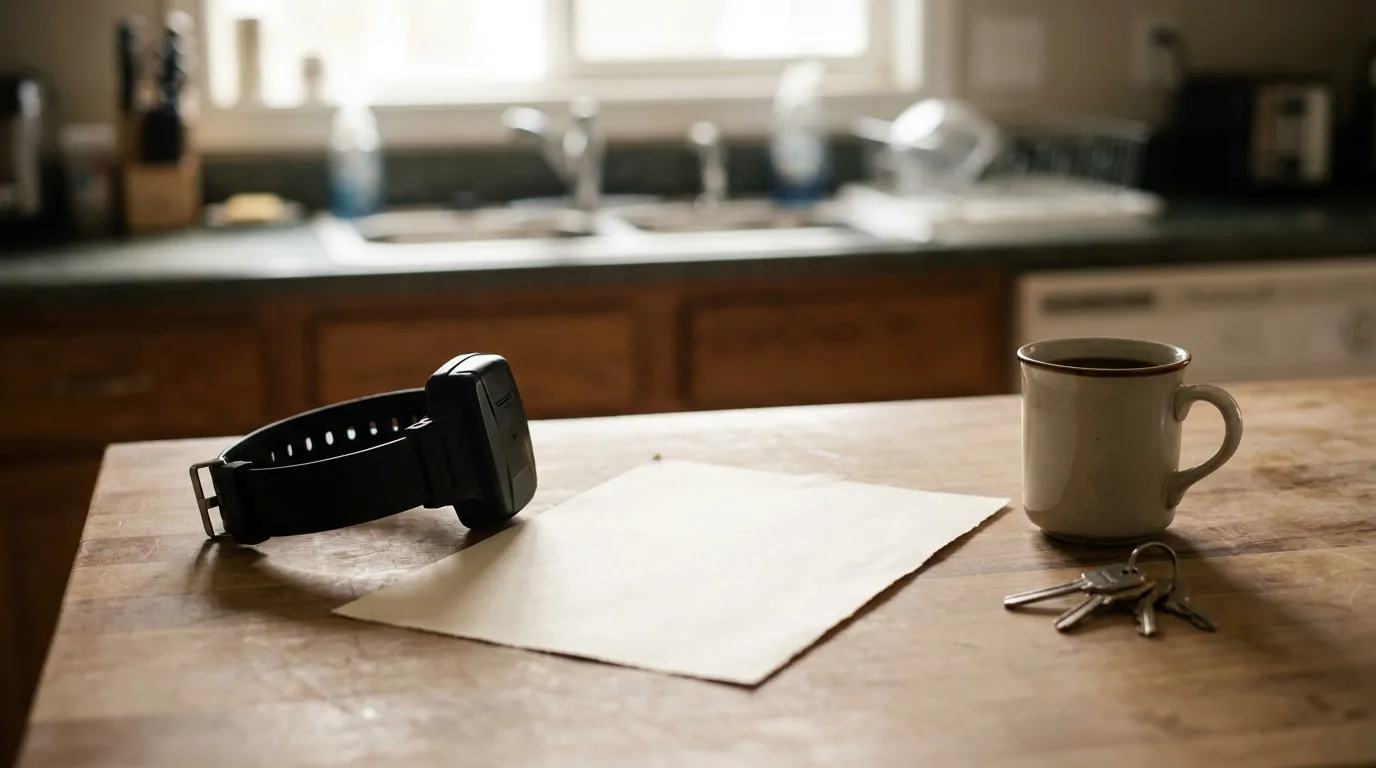
How California Probation Works Before You Ask to End It
California probation generally comes in two forms: informal and formal. Informal probation, also called summary or court probation, is common in misdemeanor cases and usually involves no probation officer. Formal probation is more common in felony cases and involves supervision by a county probation officer, which in Sacramento means the Sacramento County Probation Department. Since 2021, Penal Code § 1203.1 has generally limited felony probation to two years, and Penal Code § 1203a has generally limited misdemeanor probation to one year. Some offenses are excluded, such as certain violent felonies, offenses with their own probation periods (such as domestic violence), and some financial crimes. For a broader overview, our guide on how probation works in California covers the basics.
The type of probation you are on can affect how the court handles your request. Informal probation cases usually go straight to the judge. In formal probation cases, the court may ask your probation officer for a report. Either way, the judge decides.
Mandatory Supervision Is a Separate Category
Some people supervised by Sacramento County Probation are on mandatory supervision rather than probation. Under California’s realignment law, many people serve felony sentences in county jail, and the court may suspend the final portion of the term. Under Penal Code § 1170(h)(5)(A)-(B), that suspended portion is called mandatory supervision, and a county probation officer supervises the person under terms similar to probation.
Mandatory supervision generally cannot end early unless the court orders it. Penal Code § 1170(h)(5)(B) states that any request to change mandatory supervision must follow either Penal Code § 1203.2(a)-(b) or Penal Code § 1203.3. The California Legislature posts the full text of these California sentencing statutes. In practice, the same kind of motion used to end probation early may also apply to mandatory supervision, though courts handle these requests differently.
The PC 1203.3 Motion Explained
A PC 1203.3 motion is a written request asking the sentencing court to end your probation before its scheduled end date. You generally file it in the court that sentenced you, which for most local cases is the Sacramento County Superior Court. The prosecutor must receive notice and may file an opposition. Under Penal Code § 1203.3(b)(1), which applies in Sacramento as throughout California, the sentencing court must hold a hearing in open court before the judge before modifying or terminating probation, and the prosecuting attorney must be given at least two days’ written notice (five days for domestic violence protective order changes) and an opportunity to be heard; the statute does not provide a mechanism for the prosecutor to simply waive this hearing requirement.
Courts may weigh many factors when deciding these motions. Judges often look at:
- Whether you have paid fines, fees, and restitution, or made steady payments
- Whether you finished required classes, counseling, or treatment
- Whether you have avoided new arrests and probation violations
- Your job, schooling, family duties, and community ties
- A specific reason probation is holding you back, such as a job, license, or housing opportunity
The judge may end probation early if the judge finds that the ends of justice support it and your conduct warrants it. This standard comes from Penal Code § 1203.3(a). Prosecutors may push back, especially in cases involving domestic violence, DUI, or victims who are owed restitution. A defense attorney who often appears before Sacramento judges can predict the objections and answer them with evidence rather than promises.
💡 Pro Tip: Gather proof before you file. Program completion certificates, payment receipts, pay stubs, and letters from employers or counselors may give the judge solid reasons to rule in your favor.
Common Challenges When Trying to Terminate Probation Early
The most common obstacle is unfinished conditions. If you still owe restitution or have not finished a required program, the court may deny or delay the motion. Courts generally will not end probation early until you finish programs the law requires, such as the batterer’s intervention program in domestic violence cases. Past violations, even minor ones, can also count against you, and some judges hesitate to grant early release for serious or violent offenses.
Early Termination of Probation in California and Record Clearing
One of the best reasons to seek early termination is that it may open the door to an expungement. Under Penal Code § 1203.4, a person who has finished probation, or has been released early, may generally ask the court to withdraw the plea and dismiss the case. Some offenses are excluded, such as certain sex offenses against children. The California Courts Self-Help Guide explains that if you are still on probation, you may need to ask the court to end it early before you can clean your record. Our office often files both requests together when a client qualifies.
A felony reduction may also be possible in some cases. Under Penal Code § 17(b), the court may reduce certain felonies known as "wobblers" to misdemeanors. Pairing an early termination motion with a request for reduction and dismissal may greatly improve how your record looks to employers and licensing agencies.
What a Dismissal Does and Does Not Do
An expungement can help, but it has limits. It does not restore gun rights lost because of a felony, or because of a misdemeanor that carries a gun ban. A dismissed conviction may still count as a prior in a later case or for DMV purposes. You must still disclose it on applications for public office, state licenses, or contracts with the California State Lottery. It also does not end the duty to register as a sex offender under Penal Code § 290, which requires a separate petition under Penal Code § 290.5.
Special Rules for Veterans and Military Members Under PC 1170.9
California offers extra early termination relief for certain veterans and service members. Penal Code § 1170.9 applies to people who may suffer from a service-related condition such as PTSD, traumatic brain injury, sexual trauma, or substance abuse as a result of military service, and who received probation under that section. If you meet the requirements of Penal Code § 1170.9(h)(1), including finishing court-ordered treatment, following probation terms, and not posing a danger to others, the court may have broad options.
Under Penal Code § 1170.9(h)(3)(A), the court may treat all probation conditions as met, including fines, fees, assessments, and programs, and end probation early. The court must do so in a written order stating its reasons. However, this relief does not cover court-ordered victim restitution, which you still owe. The court may also reduce an eligible felony to a misdemeanor under Penal Code § 17(b) and grant relief under Penal Code § 1203.4.
| Relief Available Under PC 1170.9(h) | Key Limitation |
|---|---|
| Probation conditions treated as met and early termination | Victim restitution still owed |
| Felony reduced to misdemeanor | Only eligible felonies qualify |
| Dismissal releasing penalties and disabilities | Dismissal may still count as a prior offense and for DMV actions |
| Sealing of arrest and court records | DNA sample stays in state database |
| No duty to disclose the arrest in most cases | Disclosure still required for law enforcement job applications |
Some limits under this section are firm. Under Penal Code § 1170.9(h)(4), dismissal does not apply to certain sex offense convictions, such as those under Penal Code §§ 286(c), 288, 288a(c), 288.5, and 289(j). It also does not end the duty to register under Penal Code § 290 or allow a person to possess a gun if the law would otherwise bar them.
Practical Steps for How to Get Off Probation Early
The process usually starts with a careful review of your sentencing order and probation terms. Many people do not know exactly which conditions remain, so pulling your case file is a smart first step. From there, the general path often looks like this:
- Confirm your probation type, term, and remaining conditions.
- Finish or make strong progress on fines, restitution, and programs.
- Prepare a written motion with supporting documents.
- File and serve the motion, then attend the hearing.
- If the judge grants it, consider filing for expungement or reduction.
Timing can matter. If you file too soon, before you have a solid record of following your terms, the judge may deny the motion and remember that later.
💡 Pro Tip: If your probation officer supports early termination, ask whether they can provide a written statement. A good report from your officer may carry real weight with the court.
Why Experienced Defense Counsel Makes a Difference
Prosecutors do not always agree to early termination, and they may fight the motion. Dale R. Gomes is a defense attorney who has tried more than 100 jury trials and knows how to stand up to prosecutors in Sacramento courtrooms. That experience carries into post-conviction work, where strong advocacy can shape how a judge views your progress. Working with a Sacramento probation lawyer can help you present the strongest possible case.
Our firm represents clients throughout the Sacramento region, including El Dorado Hills and Folsom. Whether your case involved a DUI, drug charge, theft, or domestic violence conviction, we focus on reducing the long-term effects on your job, licenses, immigration status, and family life.
Frequently Asked Questions
1. How soon can I ask to end probation early in California?
No law sets a fixed waiting period for a Penal Code § 1203.3 motion. Many judges, however, expect to see a solid period of compliance first.
2. Do I have to pay all fines and restitution before filing?
You do not always need to pay in full, but unpaid balances may count against you. Courts generally look favorably on steady payments. Victim restitution stays in effect even if probation ends.
3. Can early termination help me get an expungement faster?
In many cases, it may. Under Penal Code § 1203.4, people released from probation early may generally ask for dismissal, as long as they meet the other requirements.
4. Will the prosecutor oppose my motion?
The prosecutor may oppose it, especially in cases involving victims or serious charges. A well-supported motion and strong advocacy at the hearing can help answer those objections.
5. Does ending probation early restore my gun rights?
Generally, no. Early termination and dismissal do not restore gun rights lost because of a conviction. In some cases, reducing a wobbler to a misdemeanor under § 17(b) may restore gun rights, unless the misdemeanor itself carries a gun ban.
Taking the Next Step Toward Life After Probation
Ending probation early may lift restrictions, open job opportunities, and prepare you to clear your record. California law gives judges broad discretion under Penal Code § 1203.3, and veterans may qualify for extra relief under Penal Code § 1170.9. Results depend on your facts, how well you have followed your terms, and the strength of your motion.
If you are ready to seek early release from probation in Sacramento, The Law Offices of Dale R. Gomes is ready to fight for you in court. Call 916-706-1351 or schedule your consultation today to learn where you stand.
Disclaimer: This content is for informational purposes only and is not legal advice. Every case is unique, and results may vary. Consult an attorney about your specific circumstances.