
Protecting Your Rights After a Rental Property Accident in Sacramento
Key Takeaways: To document a rental property injury in Sacramento, photograph the hazard and your injuries immediately before repairs erase the evidence, and preserve written repair requests proving your landlord knew about the danger. California places the burden of proof on the injured tenant, so strong documentation of the dangerous condition, landlord’s notice, and resulting harm determines whether an insurer takes your claim seriously. Keep all medical records, bills, witness information, and document both economic and noneconomic damages completely. California law protects your right to sue even when a lease disclaims liability. Act quickly, the statute of limitations is generally two years for injury and three years for property damage, while claims against government landlords can require administrative filing within six months.
If you were hurt in your Sacramento rental because of a hazard your landlord ignored, you may have a valid premises liability claim, and the evidence you gather in the first hours can make or break it. California law requires injured tenants to prove a dangerous condition existed, the landlord knew or should have known about it, and the condition caused harm. This guide explains how to document a rental injury in Sacramento, what evidence matters, and critical deadlines.
If you are dealing with a serious injury, reach out to The Law Offices of Dale R. Gomes for a consultation, call 916-706-1351, or use our secure contact form to discuss your options.
Why Documentation Decides Premises Liability Cases
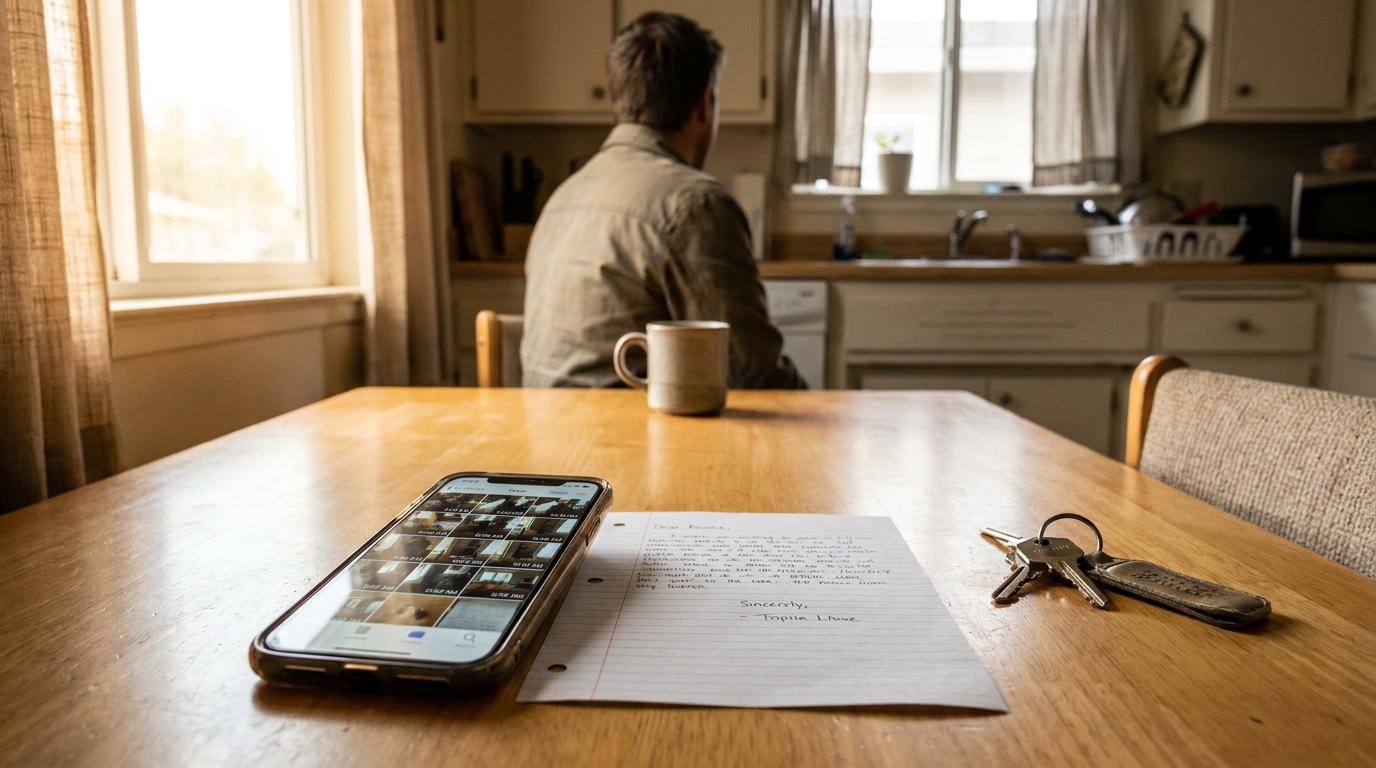
Strong documentation is the foundation of every successful Sacramento premises liability claim. Property owners have a legal duty to maintain their premises. Liability attaches when they created a hazard or knew or should have known about it. Because injured tenants carry the burden of proof, documentation quality often determines whether insurers take claims seriously.
Insurance status is not part of your evidence strategy. Under California Evidence Code § 1155, evidence that a landlord was insured is inadmissible to prove negligence. Your case must rest on direct proof of the hazard, the landlord’s notice, and the resulting injury.
💡 Pro Tip: Start a dedicated folder the same day you are injured. Save photos, messages, receipts, and names in one place so nothing gets lost during recovery.
Can I Sue My Landlord for an Injury in California?
Yes, in many cases injured tenants can pursue claims against landlords whose negligence caused harm. Whether you can sue depends on proving duty, breach, causation, and damages. If a landlord failed to make reasonable repairs and that failure led to your injury, you may have grounds.
California protects your right to bring claims even when leases attempt to limit liability. Under California Health and Safety Code § 34331(d), housing authority landlords cannot include lease clauses that disclaim liability for injuries caused by negligence or failure to repair. For private residential rentals, California Civil Code § 1953 voids lease terms that waive tenant repair and habitability rights, and courts have held that exculpatory clauses attempting to release residential landlords from negligence are unenforceable. Even if your agreement says the landlord is "not responsible," that language may be void. To understand how these rules apply, learn whether you have a viable claim when you sue a landlord for a rental injury.
Retaliation protections encourage creating an official record. Under California Health and Safety Code § 34331(e), housing authority landlords may not terminate or refuse to renew leases because tenants reported building code or health violations to government authorities. California Civil Code § 1942.5 prohibits private landlords from retaliating against tenants who report habitability problems. Reporting hazards to Sacramento code enforcement builds an official paper trail without exposing you to lawful eviction.
The Evidence That Strengthens a Sacramento Premises Liability Claim
The best evidence captures the hazard, your injury, and the landlord’s knowledge before anything is repaired. Landlords often fix dangerous conditions quickly after accidents, erasing the proof you need. Collecting evidence promptly preserves the condition as it caused your harm.
Common hazards that lead to tenant injuries include problems tied to inadequate property maintenance, such as:
- Unrepaired fixtures and broken windows
- Cracked sidewalks, tiles, and loose handrails
- Broken locks and missing security measures
- Spills, cluttered walkways, and overgrown vegetation
To photograph a hazard effectively, capture context and detail. Take wide shots showing location, then close-ups showing the defect, and include something for scale. Photograph visible injuries, date-stamp images, and write down what happened while memory is fresh. This documentation is far more persuasive than descriptions offered months later.
💡 Pro Tip: Send repair requests and hazard complaints in writing, by text or email, not verbally. Written records showing the landlord had notice and failed to act are the strongest tenant injury proof in California.
Building a Reliable Rental Property Accident Report
A clear, contemporaneous accident report ties your evidence together. Note the date, time, exact location, weather or lighting conditions, and how the hazard caused your injury. Identify witnesses and collect their names and phone numbers, because independent accounts corroborate your version of events.
Medical records are central to both liability and damages. Seek treatment promptly and keep every record, bill, and discharge instruction. These documents connect the hazardous condition to your injuries and establish your claim’s value.
Documenting Your Damages Completely
California allows injured tenants to recover both economic and noneconomic damages. Economic damages include medical expenses, out-of-pocket costs, and lost income, while noneconomic damages include mental anguish and pain and suffering. Detailed records of each category protect your claim’s full value.
Keep proof of every loss. Under California’s collateral source rule, payments from independent sources like health or disability insurance generally cannot reduce your recovery in premises liability cases. The statutory exception in California Civil Code § 3333.1 applies only to medical malpractice actions, not landlord premises liability claims. Comprehensive proof of all losses is essential.
| Type of Damage | Examples | Documentation to Keep |
|---|---|---|
| Economic | Medical bills, lost wages, out-of-pocket costs | Receipts, pay records, invoices |
| Noneconomic | Pain and suffering, mental anguish | Treatment notes, personal journal |
| Property | Damaged personal belongings | Photos, repair or replacement estimates |
Deadlines That Can End Your Claim Before It Starts
California’s statute of limitations sets firm time limits, and missing them can permanently bar your case. For personal injury, the limit is generally two years from the injury date under California Code of Civil Procedure § 335.1. Property damage claims generally carry a three-year limit under § 338. Review these timelines through the state’s overview of the California statute of limitations.
Some situations involve a delayed start date, but courts apply that rule narrowly. When an injury is not discovered immediately, the limitations period may begin when the problem was discovered or reasonably should have been discovered. This discovery rule does not apply automatically, do not assume it extends your deadline.
Claims involving government landlords follow different and shorter rules. If injured on city-owned or government-managed rental property, you generally must submit an administrative claim before filing suit. Under the California Government Claims Act, claims for personal injury or property damage must typically be presented within six months of the incident.
💡 Pro Tip: Treat the earliest possible deadline as your real deadline. Because government claims can require action within months, contacting a Sacramento personal injury attorney early protects your right to file.
How a Sacramento Premises Liability Attorney Builds Your Case
Experienced counsel knows how to turn documentation into a courtroom-ready case. Insurance companies routinely minimize tenant injury claims, and many cases only reach fair resolution when a firm is prepared to go to trial. Dale Gomes is a trusted Sacramento personal injury attorney with extensive courtroom experience and a proven track record.
That litigation strength matters most in serious cases. Fractures, head and spinal injuries, and conditions causing long-term disability demand aggressive, evidence-based advocacy. If you were hurt by a dangerous condition and need a team handling complex slip and fall and premises liability claims, strong documentation combined with skilled representation gives you the best footing.
Frequently Asked Questions
-
Can I sue my landlord for an injury in California if my lease says they are not responsible?
Often, yes. Under California Health and Safety Code § 34331(d), housing authority landlords cannot disclaim liability for injuries caused by negligence or failure to repair, and for private residential rentals California Civil Code § 1953 voids lease terms waiving tenant repair and habitability rights. Such lease language may be unenforceable.
-
How long do I have to file a rental injury claim in Sacramento?
Generally two years from the injury date under California Code of Civil Procedure § 335.1. Property damage claims generally allow three years under § 338. Government claims involve much shorter deadlines, typically requiring administrative claims within six months.
-
What evidence should I gather first after a rental property injury?
Photograph the hazard and your injuries immediately, before repairs occur. Collect witness names and numbers, keep all medical records, and preserve written repair requests showing the landlord had notice.
-
Does my landlord’s insurance help prove they were negligent?
No. Under California Evidence Code § 1155, evidence of liability insurance is inadmissible to prove negligence. Your case must rest on the hazard, the landlord’s notice, and your resulting injury.
-
What if I reported the hazard to the city before I was hurt?
That report can strengthen your claim. Under California Health and Safety Code § 34331(e) and Civil Code § 1942.5, landlords may not retaliate against tenants for complaining to government authorities about violations, and the official record helps prove notice.
Take Action to Protect Your Sacramento Injury Claim
Documenting a rental property injury well is the most effective step to protect your rights. Capture the hazard, preserve medical records, keep written proof of the landlord’s notice, and act before the statute of limitations runs. California law gives injured tenants meaningful protections, but those rights are only as strong as the evidence behind them and the timeliness of your action.
If you or a loved one suffered a serious injury in a Sacramento rental, do not wait while critical evidence disappears and deadlines approach. Contact The Law Offices of Dale R. Gomes for a confidential case review, call 916-706-1351, or reach out through our online contact page to put a trial-tested advocate on your side.