
How to Protect Your Car Accident Claim in Placerville
Key Takeaways: Protecting a car accident claim in Placerville, CA requires five steps: seek prompt medical care while preserving evidence, report the crash and exchange information correctly, meet critical deadlines including the two-year statute of limitations and shorter government-claim windows, guard against fault-shifting and Proposition 213 traps, and handle insurers carefully before signing any release. Prompt medical treatment ties injuries to the crash, while photos, witness details, and records build proof. Understanding California’s minimum liability limits, comparative-fault rules, and recoverable damages helps evaluate settlement offers. Because minimum policies may not cover serious injuries and missed deadlines can end claims entirely, acting quickly and confirming your uninsured/underinsured coverage is essential. A trial-tested car accident lawyer in El Dorado, California can preserve leverage, counter insurer tactics, and pursue full compensation.
Protecting a car accident claim in Placerville comes down to five practical steps: get prompt medical care, preserve evidence, report the crash correctly, meet California’s legal deadlines, and handle insurers with caution before you settle. A collision on Highway 50 or Broadway can leave you facing pain, mounting bills, and adjusters who move fast to limit what they pay.
Because a serious crash can affect your health, finances, and future, you should not navigate the process alone. Reach out to The Law Offices of Dale R. Gomes, call 530-497-5921, or send a message through the firm’s online contact page to discuss your options before deadlines pass.
Why a Car Accident Lawyer in El Dorado California Matters After a Crash
A knowledgeable car accident lawyer in el dorado California helps injured people understand their rights, preserve leverage, and stand up to insurance companies that treat serious injuries as line items. Dale Gomes is a trial-tested advocate with experience in more than 100 jury trials, and that courtroom record signals a willingness to take a case to a Sacramento Superior Court jury when an insurer refuses to offer full value. The firm serves injured clients across the Sacramento metro, including Placerville, El Dorado Hills, and Folsom.
A crash often produces multiple kinds of loss. A case can involve personal injury and property damage, with overlapping losses requiring careful navigation.
💡 Pro Tip: Write down your account of the crash while your memory is fresh, including road conditions, weather, and what each driver said. Small details can matter months later.
Step 1: Get Medical Care and Preserve Every Piece of Evidence
Your health comes first, and prompt medical care creates a record that ties injuries to the crash. Gaps in treatment give insurers an opening to argue injuries were minor or unrelated.
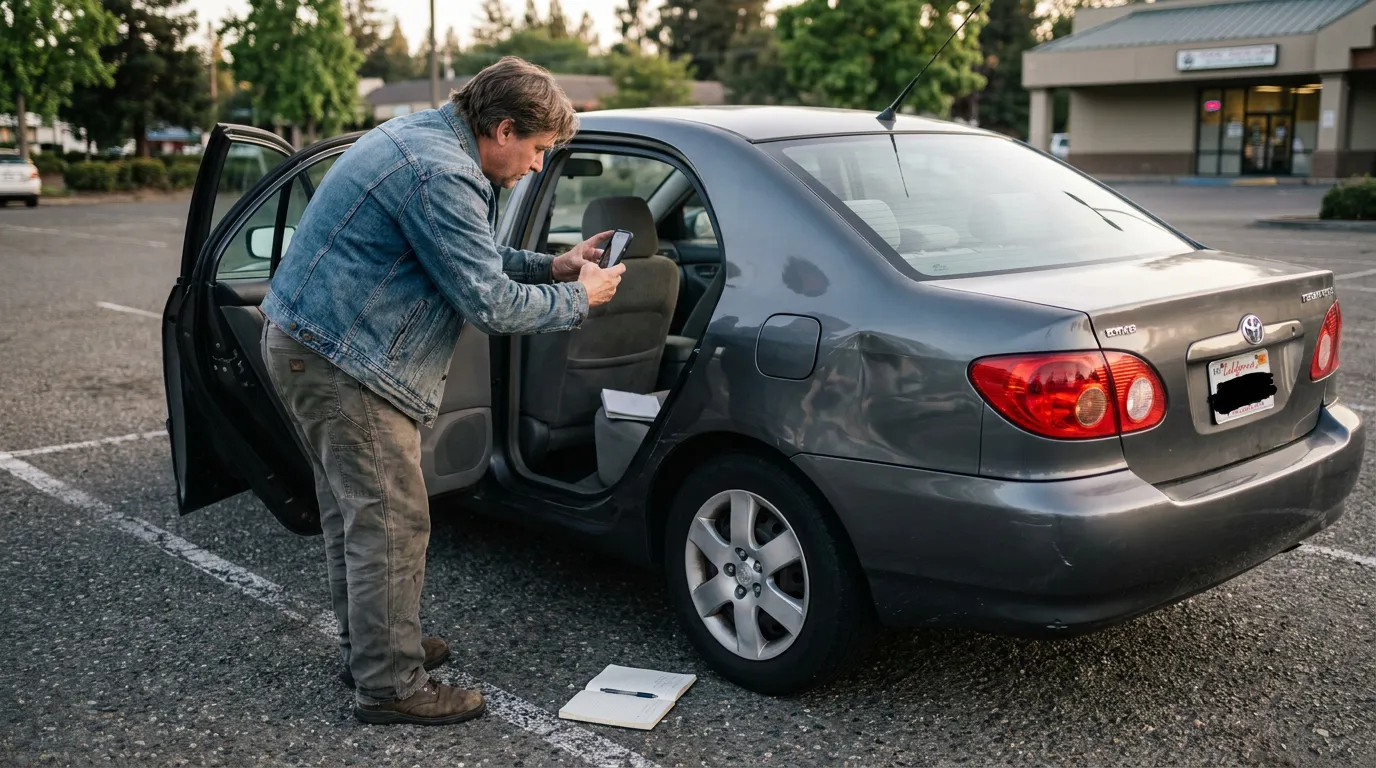
Preserving proof is critical. Keep all evidence related to your injury, including photographs, the other driver’s information, and anything documenting how the collision happened and affected your life.
Practical Evidence to Gather
Consider preserving the following after a Placerville car crash:
-
Photos of vehicle damage, the scene, and visible injuries
-
Names and contact details for witnesses
-
Medical records, bills, and receipts
-
Police or CHP report number
-
Written log of missed work and daily limitations
💡 Pro Tip: Back up phone photos to the cloud and email copies to yourself. Digital duplicates protect against a lost or damaged device.
Step 2: Report the Crash and Exchange Information Correctly
California law requires drivers to stop and exchange identifying information after a collision. Under California Vehicle Code § 20002(a), a driver in a property-damage accident must stop at the nearest safe spot and provide the driver’s and owner’s name, current address, driver’s license, and vehicle registration. If no one is available, leave a written notice and notify local police or the CHP.
When a crash causes injury or death, a separate written report is required. Under California Vehicle Code § 20008(a), a driver must make a written report to the CHP or city police within 24 hours. This is separate from the DMV’s SR-1 report, generally filed within 10 days when an accident causes injury, death, or property damage over the statutory threshold.
Insurance details matter as much as police paperwork. Under California Vehicle Code § 16451(a), for policies issued or renewed on or after January 1, 2025, minimum owner’s liability coverage rises to $30,000 for injury or death of one person, $60,000 for all persons in one accident, and $15,000 for property damage, up from the prior $15,000/$30,000/$5,000 limits.
|
Coverage Type |
Before 2025 |
On/After Jan. 1, 2025 |
|---|---|---|
|
One person injured or killed |
$15,000 |
$30,000 |
|
All persons, one accident |
$30,000 |
$60,000 |
|
Property damage |
$5,000 |
$15,000 |
Because minimum policies may not cover serious injuries, checking your own coverage early is wise. Gather the at-fault driver’s insurance details and confirm your uninsured or underinsured motorist coverage.
💡 Pro Tip: Ask your own insurer to confirm your uninsured/underinsured motorist limits in writing. That coverage can become your primary source of recovery when an at-fault driver carries only minimum insurance.
Step 3: Know the Deadlines That Can Make or Break Your Claim
California generally gives injury victims two years from the date of injury to file suit, and missing it can end a claim entirely. You can read more on the California Courts statute of limitations self-help page.
Claims involving a public entity follow a different and much shorter track. For most personal injury claims against a government entity, California generally requires filing a written administrative claim within six months of the incident before any lawsuit can proceed. Identifying a possible government defendant early is essential.
Exceptions to these deadlines exist, but courts interpret them narrowly. Tolling or delayed-discovery rules may apply in limited circumstances and do not apply automatically. Treating the two-year period as a firm deadline is the safer approach.
When Multiple Claimants Share Limited Coverage
When several people are hurt in one crash, acting promptly protects your position. Under California Vehicle Code § 17155, an at-fault owner’s payments to settle bona fide injury claims diminish total liability to the extent paid. When coverage is limited and claimants compete, delay can leave less on the table.
Step 4: Guard Against Fault-Shifting and Prop 213 Traps
California’s negligence law is the foundation of your claim. The statutory basis appears in California Civil Code § 1714(a), which makes everyone responsible for injuries caused by their willful acts or want of ordinary care. That same duty forms the “duty” element in a standard negligence case, which also requires breach, causation, and damages.
The statute builds in a comparative-fault concept that insurers exploit. Section 1714(a) reduces recovery to the extent the injured party “willfully or by want of ordinary care, brought the injury upon himself or herself.” California follows pure comparative negligence, so an injured person may recover even if mostly at fault, with the award reduced by their share of responsibility.
Proposition 213 can sharply limit recovery for some drivers. Under California Civil Code § 3333.4(a), a person generally cannot recover non-economic damages such as pain, suffering, inconvenience, or disfigurement if they were driving uninsured, could not establish financial responsibility, or were driving under the influence and convicted. Section 3333.4(c) provides a limited exception that can restore non-economic damages for an uninsured driver injured by a motorist who was under the influence and is subsequently convicted.
💡 Pro Tip: Do not accept an adjuster’s framing that you were partly at fault. How fault is apportioned is a factual question, and an early admission can reduce your recovery.
Step 5: Handle Insurers Carefully and Understand Your Damages
Reporting the crash to your insurer promptly protects your rights, but be measured in what you say. Adjusters may request recorded statements or quick settlements, and once you sign a release, reopening a claim is difficult.
Knowing what you can recover helps evaluate any offer. You can ask for money to cover medical bills, lost wages, emotional harm, or other losses. Serious injuries can involve future care and long-term disability, so a lowball first offer rarely reflects real value. If an adjuster undervalues your losses, learning how to fight a lowball insurance offer can help you push back with confidence.
Working with a seasoned advocate levels the playing field. A trial-ready car accident lawyer Placerville residents trust can document damages, counter fault-shifting, and prepare a case for court when negotiations stall.
Frequently Asked Questions
1. How long do I have to file a car accident lawsuit in Placerville?
In most cases, California allows two years from the date of injury to file suit. Claims against a government agency involve a shorter administrative claim window, generally six months.
2. What if the at-fault driver only carried minimum insurance?
Minimum coverage may not fully compensate a serious injury. Under California Vehicle Code § 16451(a), the 2025 minimum limits are $30,000/$60,000/$15,000. Your own uninsured/underinsured motorist coverage may help close the gap.
3. Can I still recover if the insurer says I was partly at fault?
Yes, because California follows pure comparative-fault principles. Under California Civil Code § 1714(a), your recovery is reduced only to the extent you contributed to your injury, and you may recover even if mostly at fault.
4. Does not wearing a seatbelt automatically hurt my claim?
Not automatically as a matter of law. Under California Vehicle Code § 27315(i), certain safety-equipment violations do not establish negligence per se for comparative-fault purposes, although negligence may still be proven as a fact.
5. What should I do before speaking with an adjuster?
Gather your records and consider legal guidance first. Preserve medical documentation, photos, and the crash report, and be cautious about recorded statements.
Moving Forward After a Placerville Crash
Protecting a car accident claim in El Dorado County depends on prompt action, careful documentation, and understanding California’s negligence and deadline rules. From getting medical care and preserving evidence to reporting the crash, meeting the two-year filing window, guarding against fault-shifting, and handling insurers with care, each step preserves recovery value. A trial-tested car accident lawyer in el dorado California can help pursue the full compensation the law allows.
Do not let insurance tactics or a passing deadline decide your future. Contact The Law Offices of Dale R. Gomes today, call 530-497-5921, or reach out through the firm’s secure contact form to protect your rights and take the next step toward recovery.